Author:XINYUN Tissue Paper MachineFROM:Tissue Machine Manufacturer TIME:2026-10-21
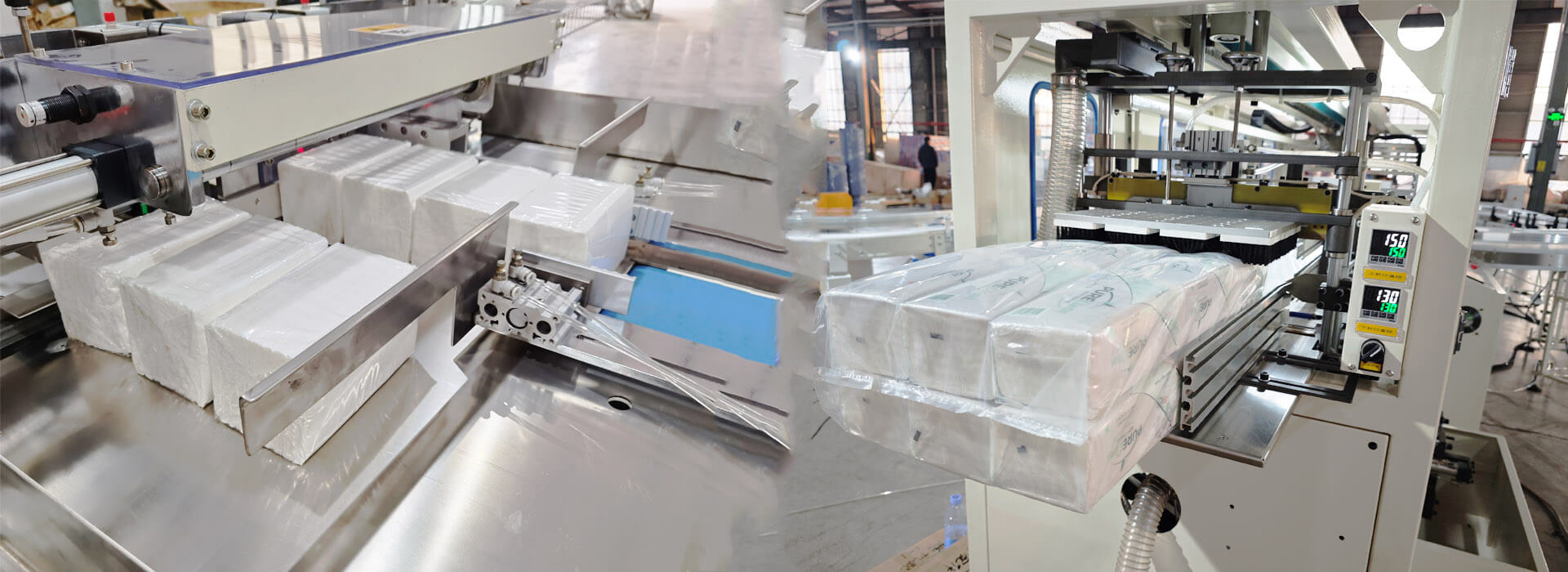
A well-configured napkin paper making machine should deliver three things a buyer can verify on the floor: stable running, consistent fold quality, and finished napkins that look presentable to end customers. This feedback reflects those priorities in daily production.
Napkin converting performance depends on how the folding, embossing, and cutting units work together, not on any single module. When evaluating a line, check the machine against your own napkin size, ply, and packing format rather than relying on general descriptions.
Buyers running a small or medium converting operation often start with a single folding line and expand packing capacity later. Buyers targeting higher volumes should review multi-lane configurations and automatic transfer options, which change how napkins move from folding to packing. The right choice depends on your target napkin format, expected daily volume, available floor space, and staffing plan.
For a closer look at configuration options, review the napkin paper machine range and compare fold types, lane counts, and packing arrangements against your own product plan.
Performance after commissioning depends heavily on setup discipline. Keep folding rollers and cutting blades within the manufacturer's adjustment range, follow the recommended lubrication schedule, and train at least two operators so production does not depend on one person. Buyers should also confirm the electrical supply, air requirements, and floor space needed before the machine arrives, since these are site-dependent and should be verified with the supplier for the specific model.
If you are comparing napkin machines for a new line or an upgrade, share your target napkin size, ply, fold type, and expected daily output. That information allows a supplier to recommend a configuration and confirm delivery and installation details for your site.

 Tel: +86-18650016302
 Email: sunny@xinyun-engine.com
 MP/WhatsApp: +86-18650016302
 Manufacturer Address:1610 Enterprise Building,Wanan,Luojiang,Quanzhou,Fujian,China