Author:XINYUN Tissue Paper MachineFROM:Tissue Machine Manufacturer TIME:2026-08-22
Choosing the right tissue converting machine starts with a clear definition of your finished product and target output. This guide explains the key configuration choices, factory planning steps, and common project mistakes to help you prepare a precise inquiry and avoid costly delays.
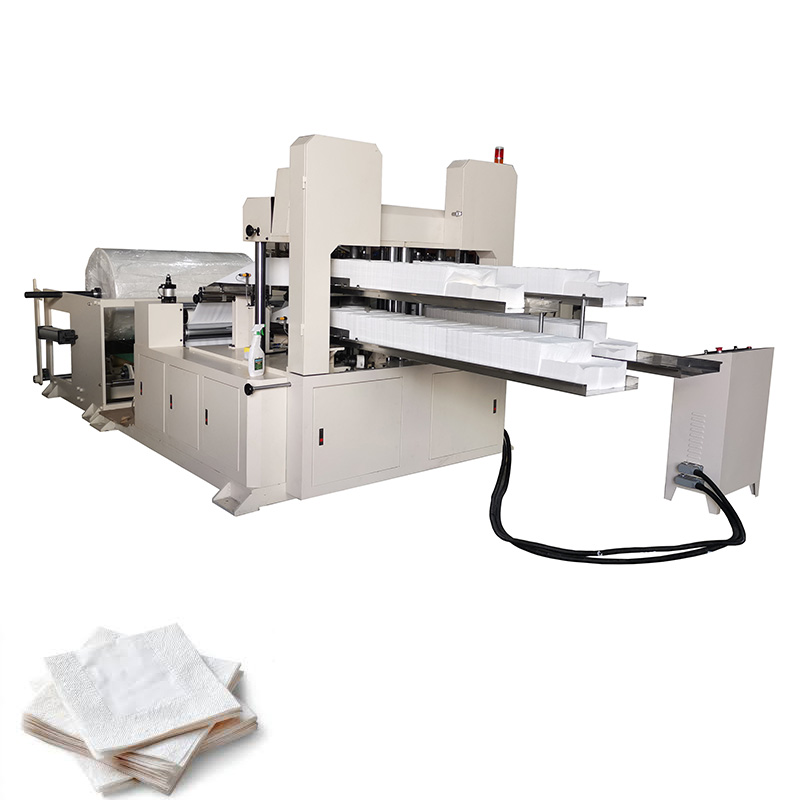
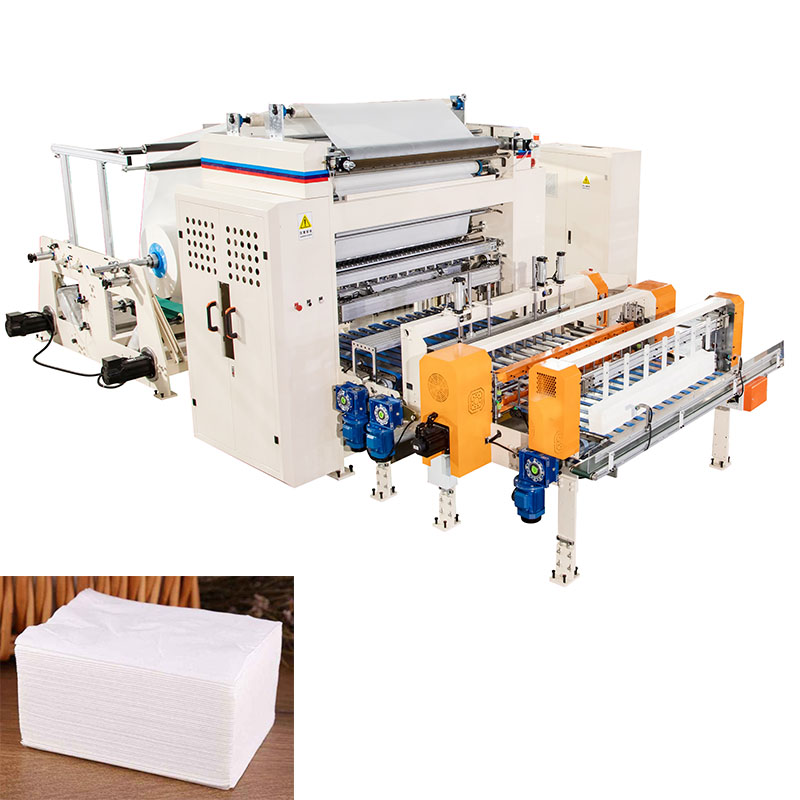
The first step is to specify the finished product type—such as interfolded napkins, toilet rolls, facial tissue, or hand towels—and the required output per shift. This decision determines the parent roll width, embossing pattern, and whether a transfer or interleaving unit is needed. For a fully automatic transfer napkin line, the XY-OQ-7000 Fully Automatic Transfer Napkin Tissue Machine article explains the configuration options for high-speed napkin production. For compact converting layouts, the Pocket Tissue Machine catalog provides a useful reference.
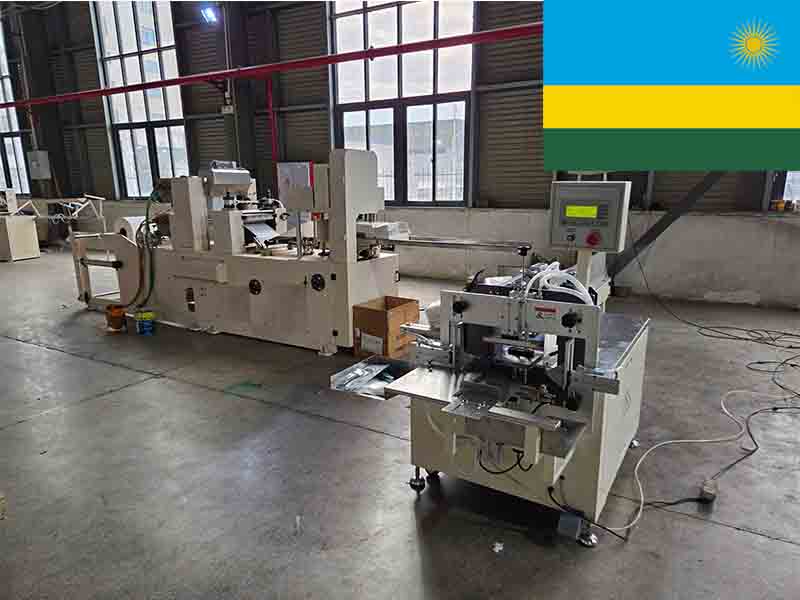
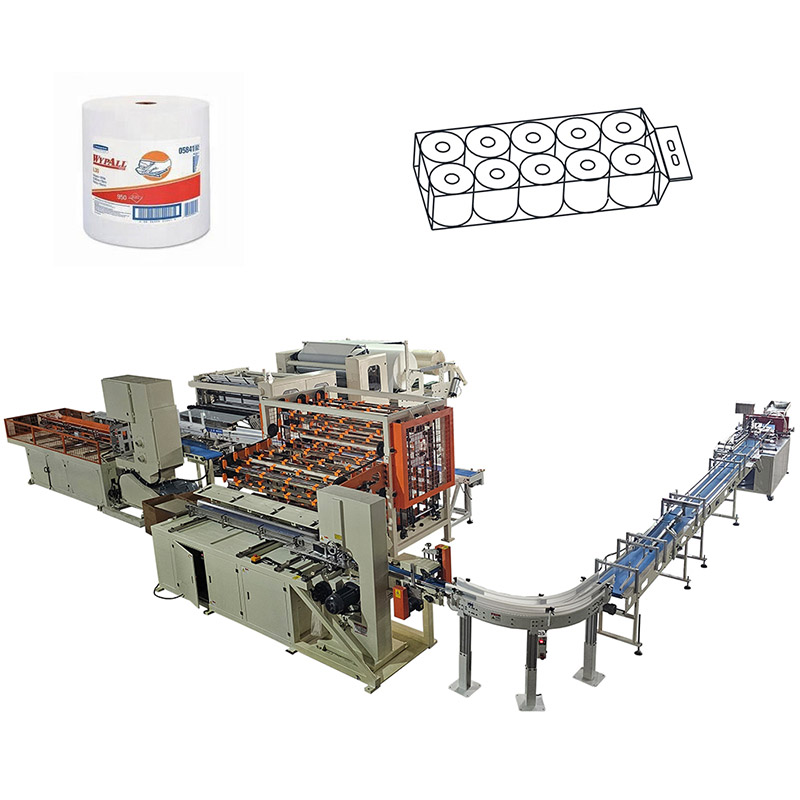
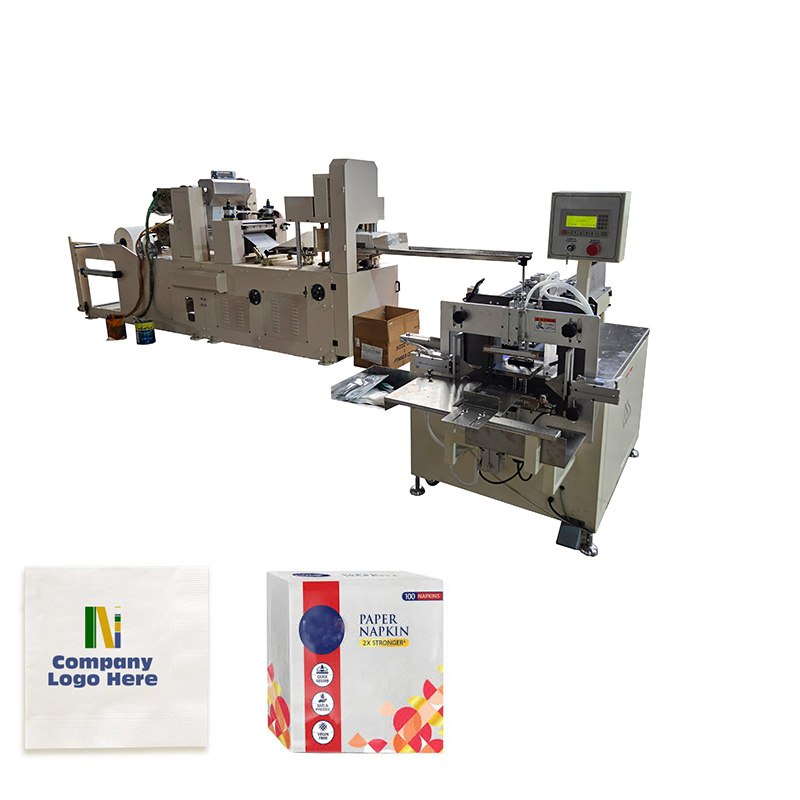
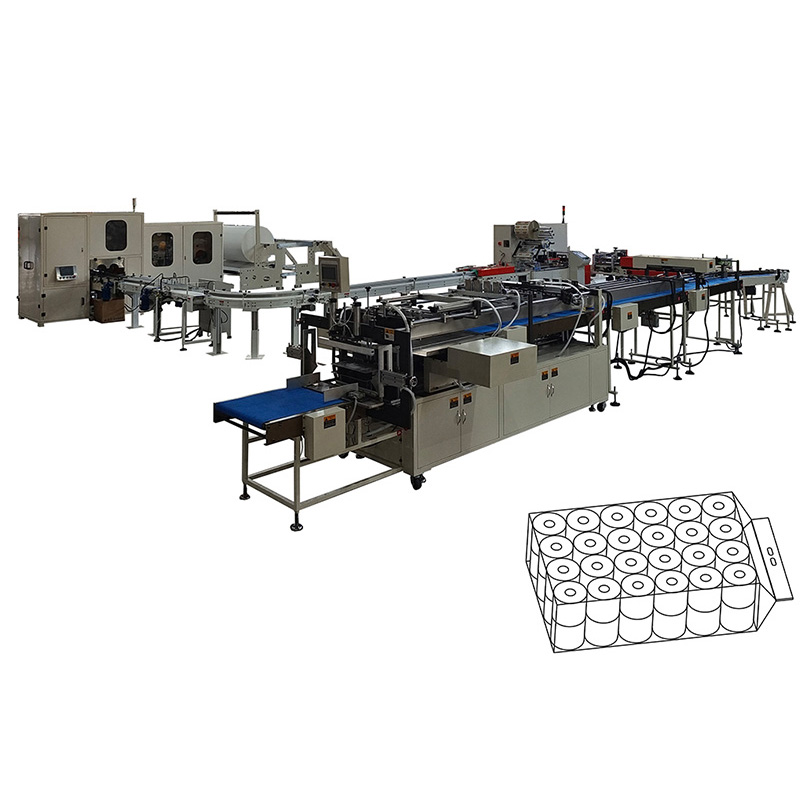
A typical tissue converting line includes unwinding, embossing, folding or cutting, and stacking, followed by a packaging unit. The packaging speed must be matched to the converting line speed to avoid a bottleneck. Buyers should also verify that the finished tissue quality—such as softness and ply count—meets local market preferences before finalizing the order.
Before requesting a quotation, prepare the following details to speed up the proposal process:
Providing these parameters helps the XINYUN engineering team confirm machine suitability and avoid common project delays related to utility mismatches or space constraints.
Always request a sample run with your own parent roll material before finalizing the order. This verifies that the machine produces the desired fold quality, embossing depth, and cutting accuracy. Confirm that the machine can handle your specific parent roll diameter and core size without requiring additional modifications.
Buyers often underestimate the importance of matching the packaging unit speed to the converting line speed, which can create a bottleneck. Another frequent issue is selecting a machine without verifying the finished tissue quality against local market preferences, such as softness or ply count. Ensure that your utility specifications—compressed air pressure and electrical supply—are compatible with the machine's requirements before installation.
If you are evaluating tissue converting equipment, request the current machine configuration sheet and a factory layout proposal from the XINYUN sales team before making a purchase decision. This will help you confirm the exact specifications and plan your installation timeline.

 Tel: +86-18650016302
 Email: sunny@xinyun-engine.com
 MP/WhatsApp: +86-18650016302
 Manufacturer Address:1610 Enterprise Building,Wanan,Luojiang,Quanzhou,Fujian,China