Napkin Paper Machine Production Process and Applications
I. Introduction
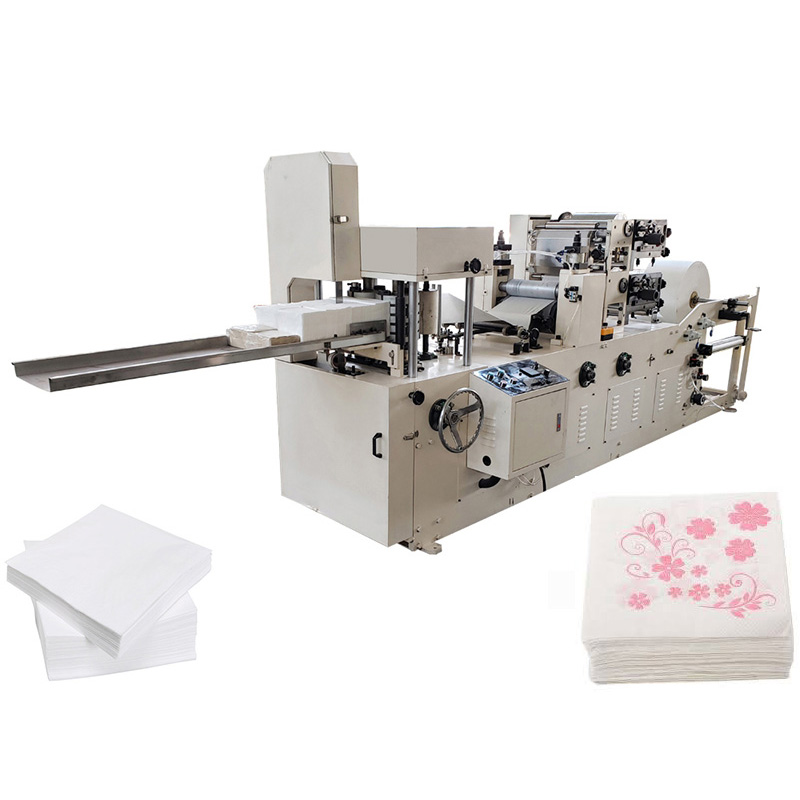
Napkin paper has become an indispensable part of our daily lives, whether it's used for wiping hands during meals, cleaning up spills, or providing a sanitary barrier in public restrooms. The napkin paper machine, as the key equipment for producing napkin paper, plays a crucial role in meeting the high - volume and high - quality demands of the market. This article will delve into the production process of napkin paper machines and explore their wide - ranging applications.
II. Production Process of Napkin Paper Machine
1. Raw Material Preparation
-
Pulp Selection: The main raw materials for napkin paper production are wood pulp, bamboo pulp, and recycled pulp. Wood pulp is widely used due to its good fiber quality, which can be further divided into softwood pulp (long fibers, high strength) and hardwood pulp (short fibers, good softness). Bamboo pulp is an eco - friendly option with natural antibacterial properties. Recycled pulp, made from waste paper, helps in resource conservation and environmental protection.
-
Pulp Treatment: The selected pulp is first sent to a pulper for disintegration. Then, it undergoes screening to remove large impurities and coarse fibers. After that, it is refined in a refiner to break down the fiber bundles, increase the fiber surface area, and improve the bonding ability between fibers. Chemical additives such as wet - strength agents (to enhance the paper's strength when wet), softening agents (to improve softness), and defoamers (to reduce foam during production) are also added at this stage according to the product requirements.
2. Paper Forming
-
Headbox: The treated pulp is pumped into the headbox, which is a crucial component that evenly distributes the pulp onto the forming wire. The headbox controls the flow rate, jet velocity, and pulp consistency to ensure a uniform paper web formation.
-
Forming Wire: As the pulp flows onto the forming wire, water starts to drain through the wire mesh under the action of gravity and vacuum suction. The fibers gradually deposit on the wire to form a wet paper web. The design of the forming wire, including its mesh size and shape, affects the drainage speed and the fiber arrangement in the paper web.
-
Press Section: The wet paper web then enters the press section, where it is squeezed between a series of press rolls. The press rolls apply pressure to remove more water from the paper web, increasing its dryness and improving the fiber - to - fiber bonding. This step helps to enhance the strength and density of the napkin paper.
3. Drying and Creping
-
Drying Cylinders: The partially dried paper web is transferred to a series of drying cylinders. Steam is used to heat the cylinders, and the heat is transferred to the paper web, evaporating the remaining water. The temperature and speed of the drying cylinders need to be precisely controlled to prevent over - drying or under - drying, which can affect the paper's quality.
-
Creping Process: After drying, the paper web passes over a creping doctor blade. The blade scrapes the paper off the Yankee dryer (a large heated cylinder) at an angle, creating fine crepes on the paper surface. Creping increases the paper's bulk, softness, and water absorbency, making it more suitable for use as napkin paper.
4. Post - Processing
-
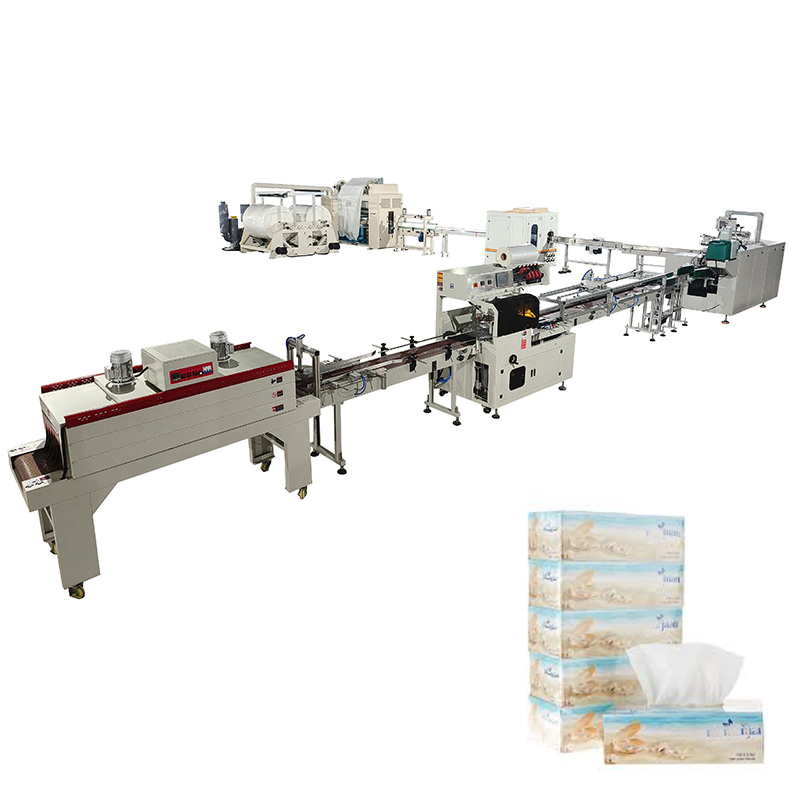
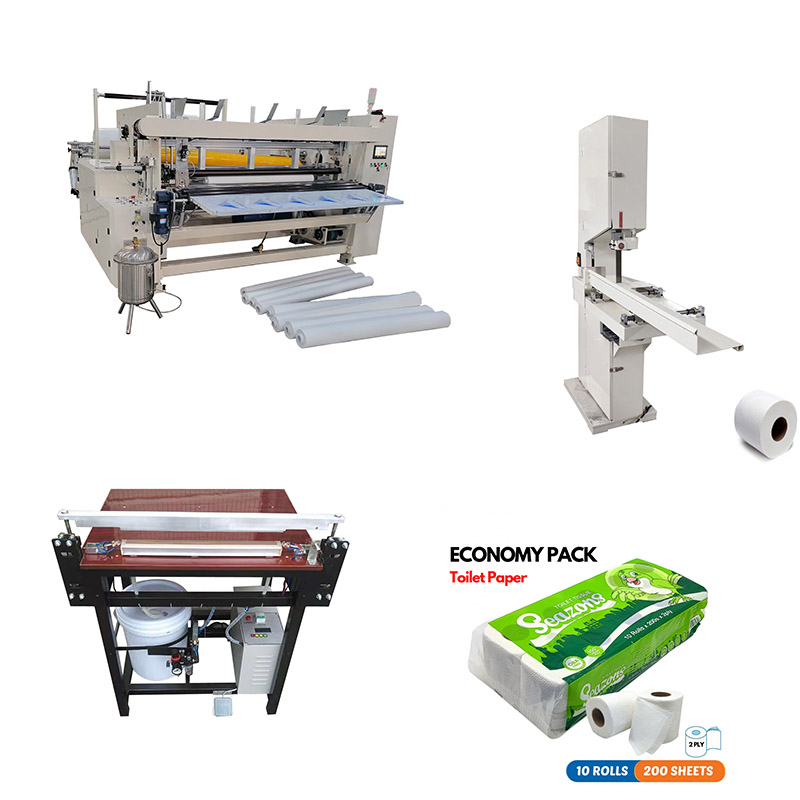
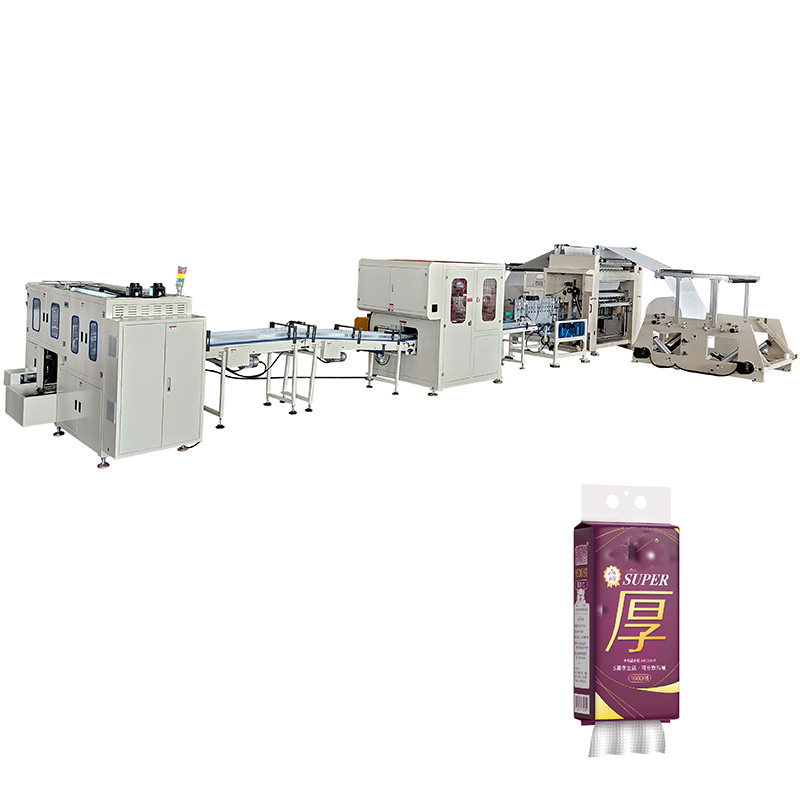
Slitting and Rewinding: The creped paper is then slit into the desired width by slitting knives. The slitted paper strips are wound onto large parent rolls. These parent rolls are then rewound into smaller rolls or folded into the final napkin paper products according to different packaging requirements.
-
Quality Inspection: Throughout the production process, quality inspection is carried out at various stages. This includes checking the paper's basis weight, thickness, strength, softness, and water absorbency. Advanced inspection equipment such as online thickness gauges, strength testers, and softness sensors are used to ensure that the napkin paper meets the specified quality standards.
III. Applications of Napkin Paper Machine - Produced Napkin Paper
1. Catering Industry
-
Restaurants: In restaurants of all types, from fast - food chains to fine - dining establishments, napkin paper is an essential item on the table. It is used by customers to wipe their hands and mouths during and after meals, providing a clean and hygienic dining experience. The softness and absorbency of the napkin paper produced by high - quality napkin paper machines are crucial for customer satisfaction.
-
Cafes and Bars: In cafes and bars, napkin paper is not only used for wiping but also as a decorative element on the table. Some cafes may choose napkin paper with unique patterns or colors to match their brand image and create a pleasant atmosphere for customers.
2. Household Use
-
Daily Cleaning: At home, napkin paper is widely used for various cleaning tasks, such as wiping kitchen counters, cleaning up spills, and dusting furniture. Its convenience and disposability make it a popular choice for household cleaning, reducing the need for reusable cloths that require frequent washing.
-
Personal Hygiene: Napkin paper is also used for personal hygiene purposes, such as blowing one's nose or wiping sweat. The soft and gentle texture of high - quality napkin paper ensures comfort during use, especially for people with sensitive skin.
3. Public Facilities
-
Restrooms: In public restrooms, napkin paper is provided as a sanitary option for hand - drying and general cleaning. The durability and absorbency of the napkin paper are important factors to consider in high - traffic public restrooms to ensure that it can withstand frequent use.
-
Transportation Hubs: At airports, train stations, and bus terminals, napkin paper is available in waiting areas and dining facilities. It helps travelers maintain cleanliness during their journeys, especially when they are on the move and may not have easy access to washing facilities.
4. Industrial and Commercial Settings
-
Food Processing Industry: In food processing plants, napkin paper is used for wiping equipment, cleaning work surfaces, and handling food products. The hygienic properties of the napkin paper, such as being free from contaminants and having good absorbency, are essential to meet the strict food safety standards in this industry.
-
Office Environments: In offices, napkin paper is used in break rooms and conference rooms for cleaning up after meals or snacks. It is also used during office parties or events to provide a convenient and hygienic way for employees to clean their hands and tables.
IV. Conclusion
The production process of napkin paper machines is a complex and precise operation that involves multiple stages, from raw material preparation to post - processing. Each stage plays a vital role in determining the quality and characteristics of the final napkin paper product. The wide - ranging applications of napkin paper in the catering industry, household use, public facilities, and industrial and commercial settings highlight its importance in modern society. As technology continues to advance, napkin paper machines are likely to become more efficient, environmentally friendly, and capable of producing napkin paper with even better quality and performance to meet the evolving needs of the market.

 Tel: +86-18650016302
 Email: sunny@xinyun-engine.com
 MP/WhatsApp: +86-18650016302
 Manufacturer Address:1610 Enterprise Building,Wanan,Luojiang,Quanzhou,Fujian,China