Author:XINYUN Tissue Paper MachineFROM:Tissue Machine Manufacturer TIME:2026-03-31
In the fast - paced modern life, facial tissues have become an essential item for daily cleaning and care. Consumers have increasingly stringent requirements for the softness of tissues. At the same time, enterprises are under pressure to improve production efficiency and reduce costs to cope with the fierce market competition. Therefore, how facial tissue machines can achieve high - efficiency production while ensuring the soft texture of tissues has become a key issue in the industry that needs to be solved urgently.
Virgin wood pulp is a commonly used raw material for making soft facial tissues. Its long and flexible fibers can endow the tissues with good strength and softness. For example, spruce wood pulp from Northern Europe has an appropriate fiber length and few impurities, resulting in tissues with a delicate touch and strong water - absorption capacity. In addition, bamboo pulp is also gradually gaining attention. Bamboo has a short growth cycle and strong renewability, and its fibers have natural antibacterial properties. Mixing bamboo pulp with wood pulp in a certain proportion can not only ensure the softness of the tissues but also enhance their environmental - friendly characteristics.
To further enhance the softness of tissues, an appropriate amount of chemical softeners is added during the production process. Common softeners include fatty acid esters and quaternary ammonium salts. These softeners can reduce the friction between fibers, making the tissues smoother. However, it should be noted that the amount of softeners added must be strictly controlled. Excessive use may affect the strength and water - absorption capacity of the tissues and even pose potential hazards to human health. Meanwhile, with the enhancement of environmental awareness, some bio - based and biodegradable softeners are gradually replacing traditional chemical softeners.
Adopting a multi - layer composite structure is an effective way to improve the softness of tissues. By compounding paper layers with different characteristics together, the advantages of each layer can be fully utilized. For example, the outer layer uses a paper layer with high softness to provide a comfortable touch, and the inner layer uses a paper layer with strong water - absorption capacity to enhance the water - absorption ability of the tissues. Some high - end facial tissues adopt a three - layer or four - layer composite structure, which improves the overall performance of the tissues while ensuring softness.
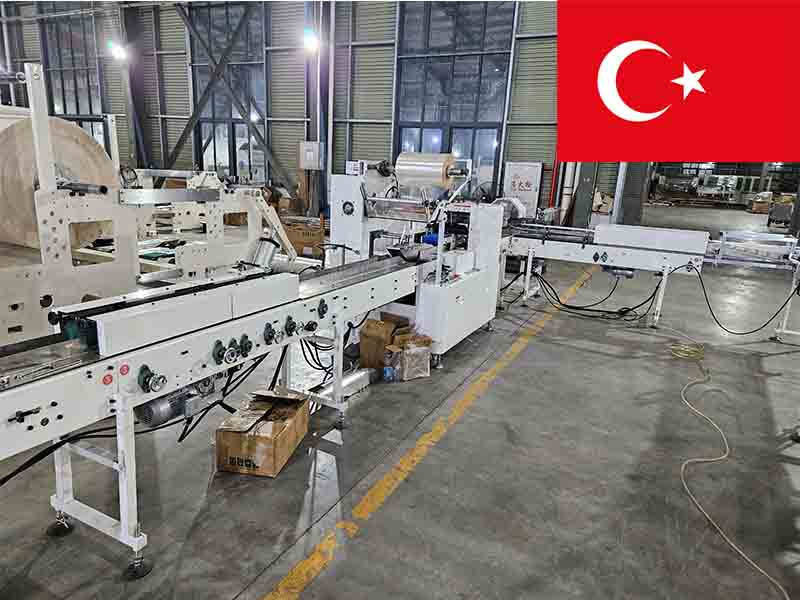
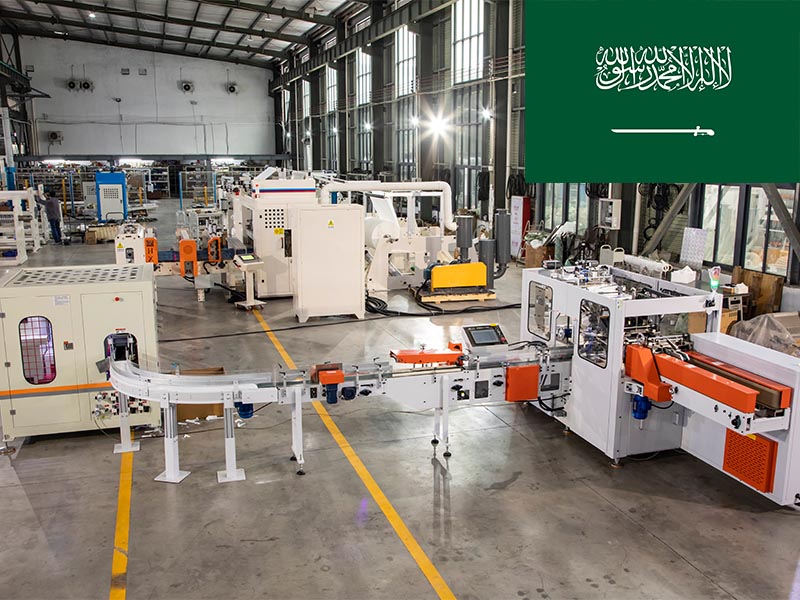
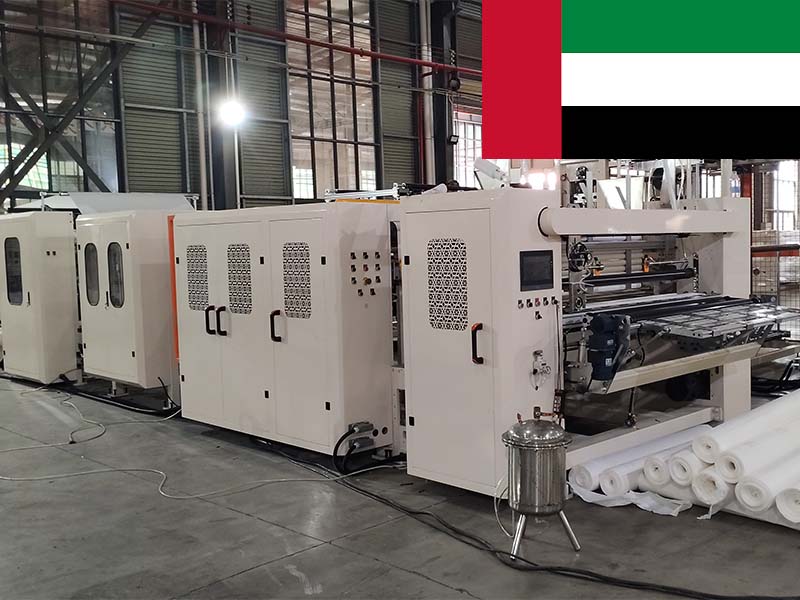
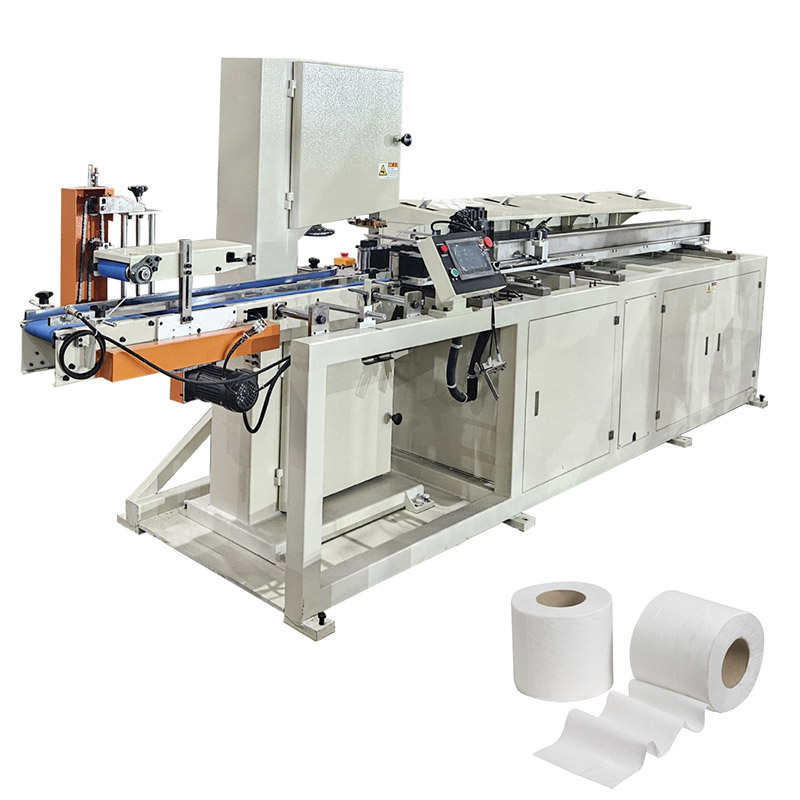
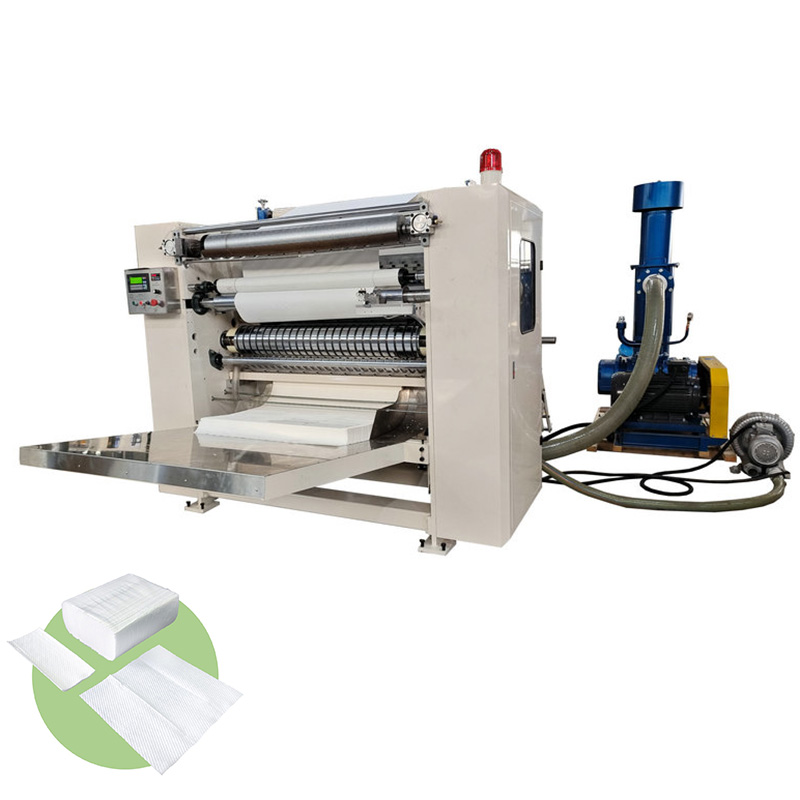
The core components of facial tissue machines, such as the paper - winding shaft, folding mechanism, and cutting device, are carefully designed to achieve high - speed operation. The advanced paper - winding shaft uses high - precision bearings and an optimized structural design to reduce friction resistance, enabling the paper roll to rotate quickly and stably. The folding mechanism can complete the folding action of the tissues in a short time through clever mechanical transmission and precise motion control, improving the production speed. The cutting device uses sharp tools and high - speed cutting motion to ensure that the tissues are cut neatly and quickly.
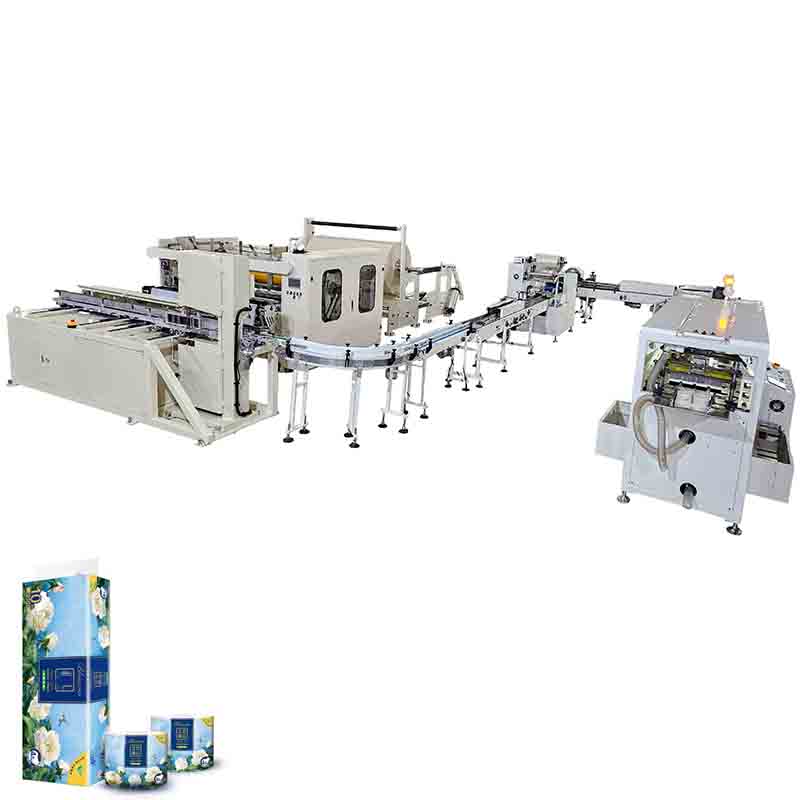
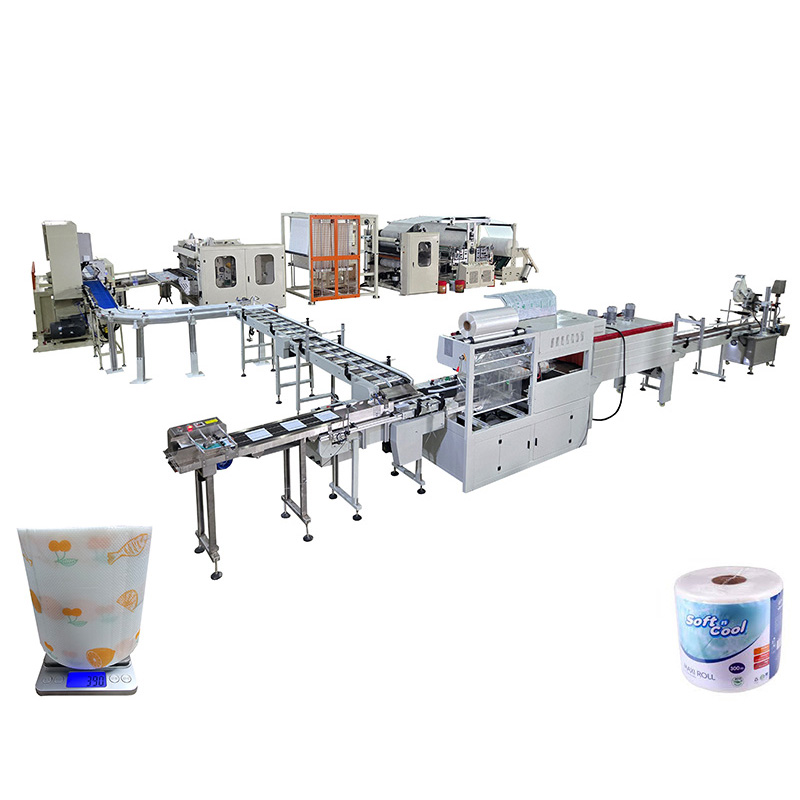
The automated control system is the key to the high - efficiency production of facial tissue machines. Through the coordinated work of sensors, controllers, and actuators, real - time monitoring and precise control of the production process are achieved. For example, sensors can detect parameters such as the tension of the paper roll and the thickness of the tissues in real time and feed the data back to the controller. The controller adjusts the actuators according to the preset program, such as adjusting the rotational speed of the paper - winding shaft and the position of the folding mechanism, to ensure the stability and consistency of the production process. The automated control system can also realize functions such as automatic start - stop and fault alarm of the equipment, reducing manual intervention and improving production efficiency.
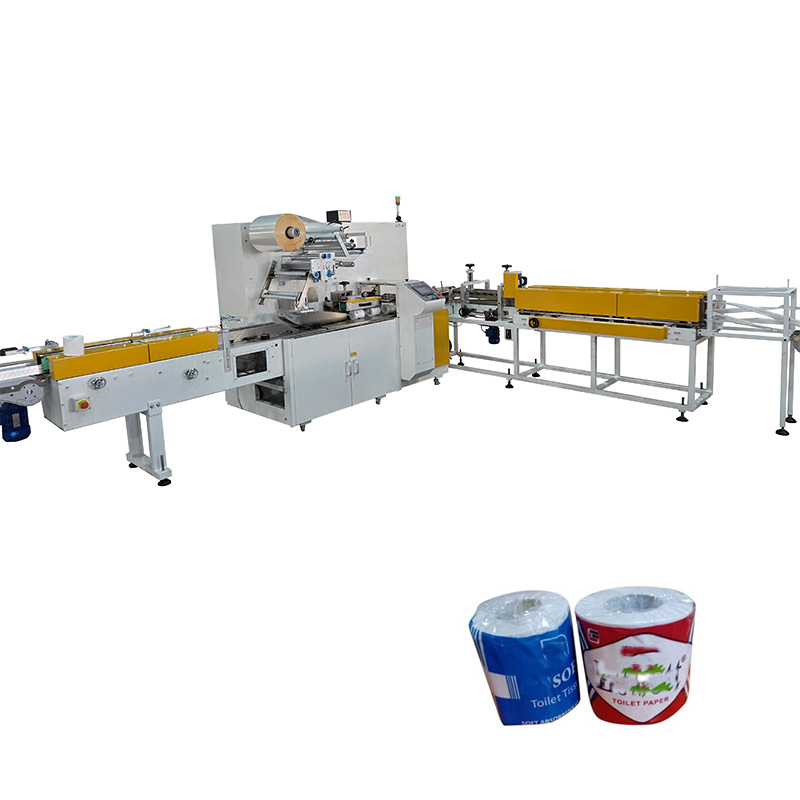
Modular design makes facial tissue machines more flexible and scalable. Different functional modules can be combined and replaced according to production requirements, facilitating equipment upgrading and maintenance. For example, if tissues of different specifications need to be produced, only the corresponding folding module and cutting module need to be replaced, without the need for large - scale reconstruction of the entire equipment. Modular design can also shorten the installation and commissioning time of the equipment and improve production efficiency.
The creping process is an important factor affecting the softness and strength of tissues. During the production process, the wet tissues are squeezed and stretched by creping rolls to form uniform wrinkles on the surface of the tissues. The degree of creping can be controlled by adjusting parameters such as the gap, pressure, and speed of the creping rolls. Appropriate creping can increase the surface area of the tissues, improving their softness and water - absorption capacity. However, excessive creping will lead to a decrease in the strength of the tissues, making them prone to breakage. Therefore, it is necessary to precisely control the creping process parameters according to the use and performance requirements of the tissues.
The drying process also has an important impact on the quality and production efficiency of tissues. Fast and uniform drying can keep the tissues in good softness and strength. Common drying methods include hot - air drying and infrared drying. Hot - air drying blows hot air onto the surface of the wet tissues to evaporate the water quickly. Infrared drying uses the thermal effect of infrared rays to directly heat the water inside the wet tissues, with a faster drying speed. During the drying process, it is necessary to control the drying temperature and time well to avoid the tissues becoming brittle due to over - drying, which affects their softness and usability.
The calendering process can further improve the surface flatness and gloss of the tissues while enhancing their strength. The dried tissues are squeezed by calendering rolls to make the fibers arrange more closely. The pressure and temperature of calendering need to be adjusted according to the material and performance requirements of the tissues. Appropriate calendering can improve the appearance quality and usage comfort of the tissues, but excessive calendering will make the tissues hard and reduce their softness.
Facial tissue machines are equipped with advanced online inspection systems that can monitor various quality indicators of the tissues in real time, such as thickness, softness, water - absorption capacity, and strength. Through sensors and data analysis technology, quality problems in the production process can be detected in a timely manner, and the production parameters can be automatically adjusted to ensure stable product quality. For example, if it is detected that the thickness of the tissues does not meet the requirements, the system will automatically adjust the tension of the paper - winding shaft or the parameters of the folding mechanism to restore the thickness of the tissues to normal.
In addition to online inspection, regular sampling inspection is also carried out on the produced tissues. Sampling inspection can more comprehensively and accurately evaluate the quality of the tissues and detect some problems that may not be detected by online inspection. The items of sampling inspection include microbiological indicators and chemical indicators to ensure that the tissues meet relevant hygiene standards and safety requirements.
Facial tissue machines have successfully achieved the goal of improving production efficiency while ensuring the soft texture of tissues through careful material selection, optimized mechanical design, improved process flow, and strengthened quality inspection. With the continuous progress of science and technology and the changing needs of consumers, facial tissue machines will continue to innovate and develop, providing people with higher - quality and more environmentally - friendly facial tissue products.

 Tel: +86-18650016302
 Email: sunny@xinyun-engine.com
 MP/WhatsApp: +86-18650016302
 Manufacturer Address:1610 Enterprise Building,Wanan,Luojiang,Quanzhou,Fujian,China