What Should You Consider Before Buying a Tissue Paper Machine?
Choosing the right tissue paper machine is crucial for success in the hygiene product manufacturing industry. Whether you're a small-scale startup or a large enterprise, a thorough evaluation of multiple factors is essential to ensure return on investment (ROI) and operational efficiency. Here are the key considerations before purchasing a tissue paper machine:
1. Production Needs and Capacity Alignment
-
Scale Targeting: Define your production goals (e.g., home-based workshop, SME, or large factory) and select a machine that matches your capacity requirements. Small-scale equipment suits startups, while high-speed automated lines are ideal for mass production.
-
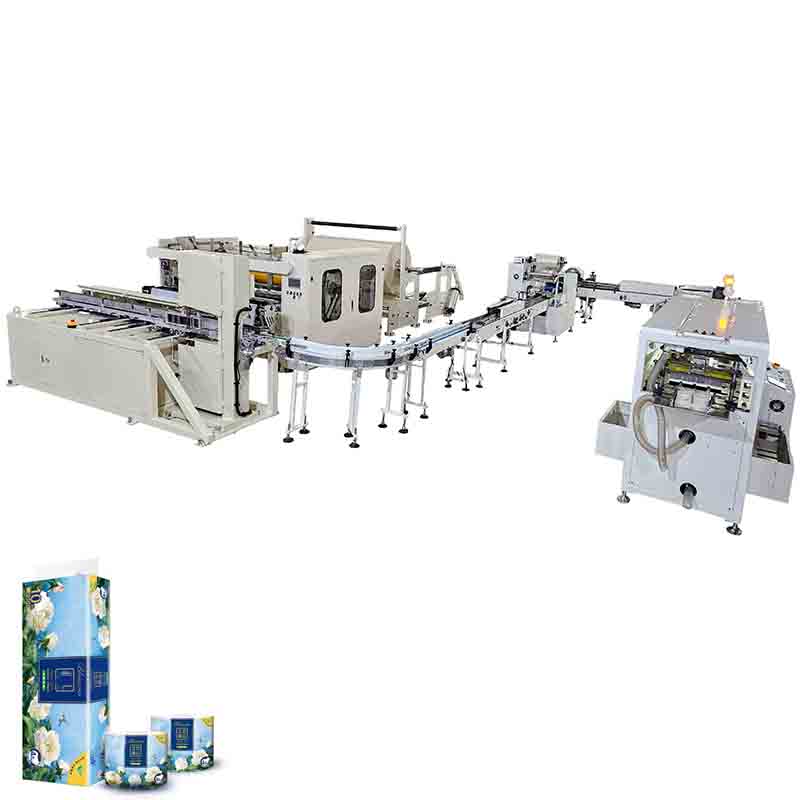
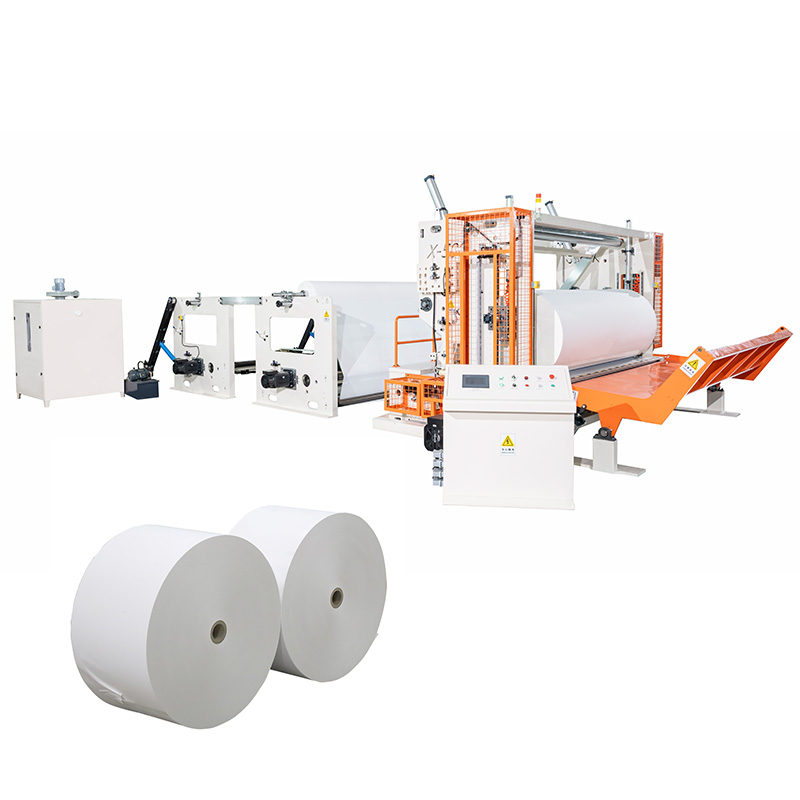
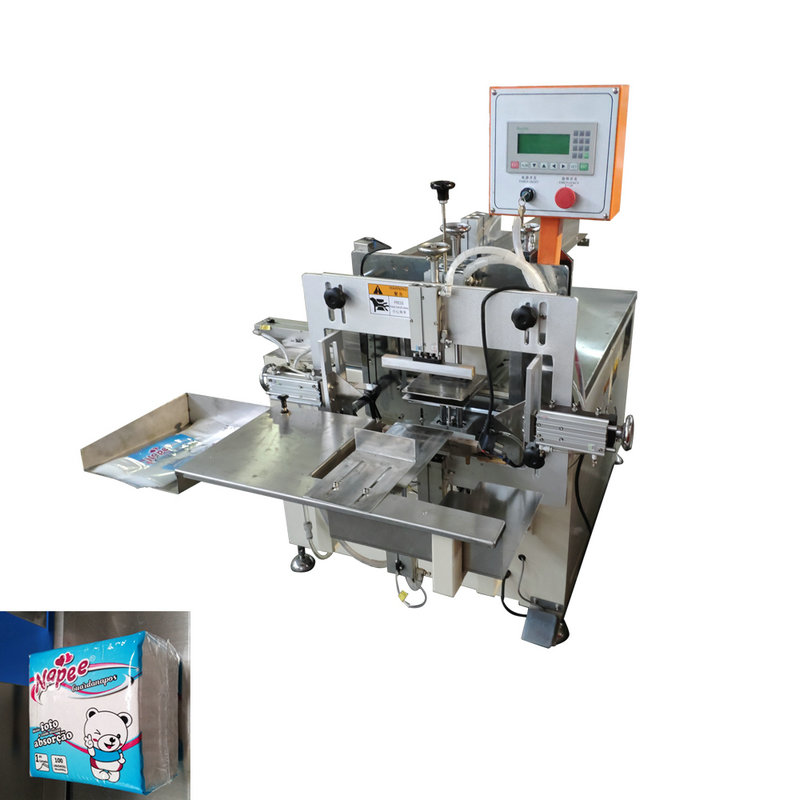
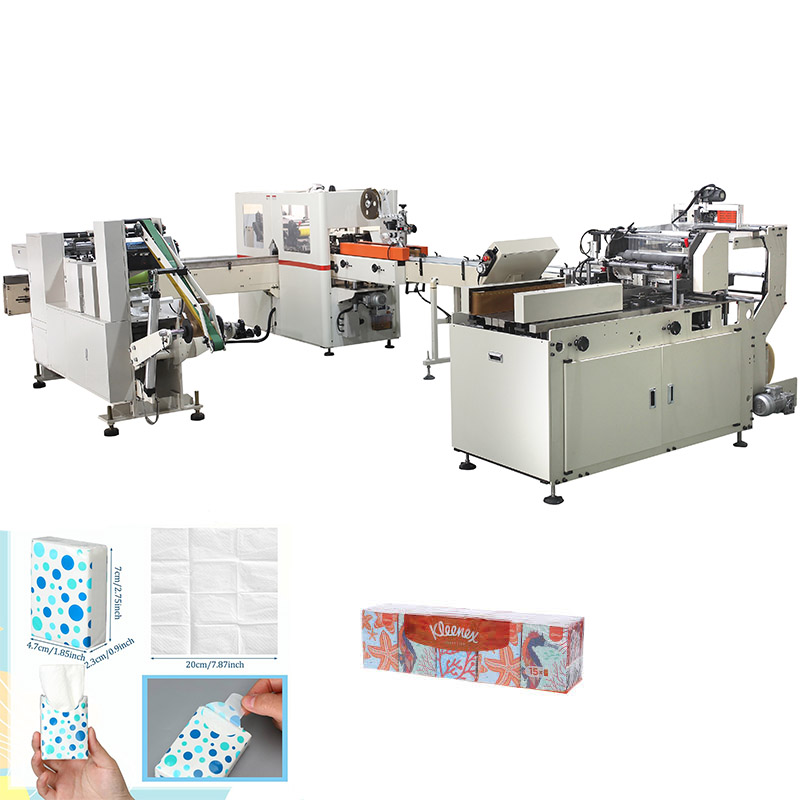
Product Type: Determine whether you’ll produce toilet rolls, facial tissues, napkins, or kitchen towels. Different products require specific machine functions (e.g., rewinding, cutting, folding).
2. Machine Quality and Durability
-
Material and Build: Opt for stainless steel or high-strength alloy machines for corrosion resistance and long-term stability.
-
Brand Reputation: Research suppliers’ market credibility. Choose brands with proven track records and reliable after-sales support (e.g., domestic leaders or imported models).
-
Wear Parts Lifespan: Inquire about replacement cycles and costs for critical components (e.g., blades, bearings) to avoid frequent downtime.
3. Automation Level and Ease of Use
-
Automation: Balance budget constraints with labor costs. Fully automated machines reduce staffing needs but require higher upfront investment.
-
User Interface: Prioritize intelligent control systems (e.g., touchscreens) to simplify operation and training.
-
Maintenance Accessibility: Modular designs enable quicker repairs, minimizing production interruptions.
4. Energy Efficiency and Environmental Compliance
-
Power Consumption: Evaluate motor efficiency and heating system energy use to cut long-term operational costs.
-
Eco-Standards: Ensure the machine meets local environmental regulations (e.g., noise limits, wastewater treatment) to avoid compliance issues.
5. After-Sales Service and Technical Support
-
Installation: Confirm if the supplier offers free setup, commissioning, and staff training.
-
Spare Parts Availability: Verify easy access to replacement parts to prevent production halts.
-
Technical Response: Check the scope and speed of after-sales support (e.g., 24/7 online assistance).
6. Budget and ROI Analysis
-
Upfront Costs: Compare prices across brands/models, but avoid sacrificing quality for low price.
-
Hidden Expenses: Factor in transportation, installation, training, and energy costs.
-
Payback Period: Estimate break-even time based on market prices and output (1–3 years is typically reasonable).
7. Market Trends and Scalability
-
Product Flexibility: Choose machines that support multi-specification production to adapt to evolving demands (e.g., customized tissue sizes).
-
Upgradability: Ensure the equipment allows software or hardware upgrades to extend its lifespan.
Conclusion
Purchasing a tissue paper machine requires balancing production needs, quality, cost-efficiency, and support. Visit suppliers’ facilities to test machine performance and gather peer insights. By making an informed decision, you’ll select equipment tailored to your business, laying the groundwork for sustainable growth.

 Tel: +86-18650016302
 Email: sunny@xinyun-engine.com
 MP/WhatsApp: +86-18650016302
 Manufacturer Address:1610 Enterprise Building,Wanan,Luojiang,Quanzhou,Fujian,China