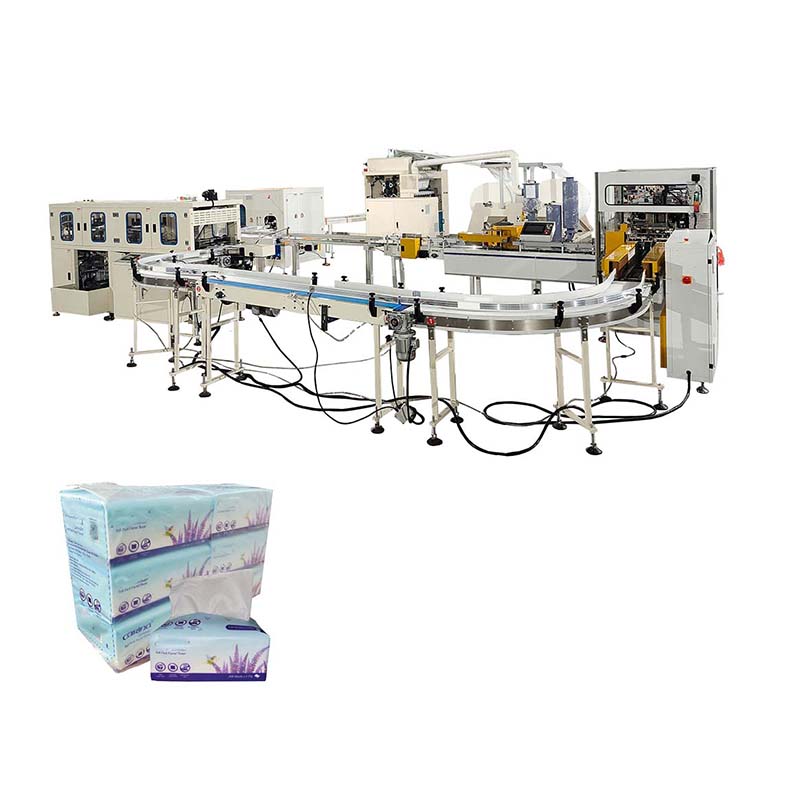
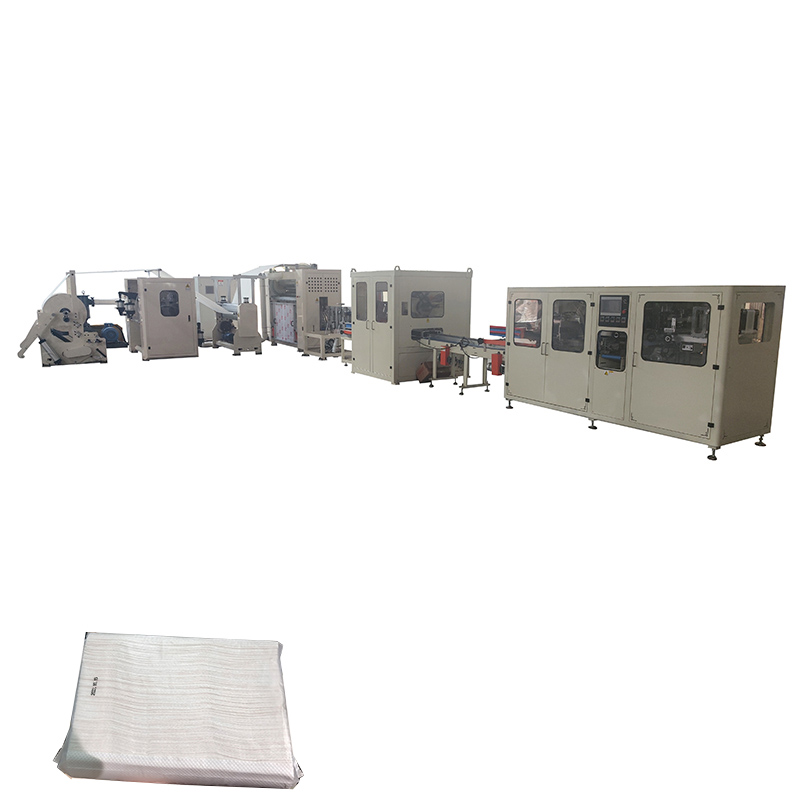
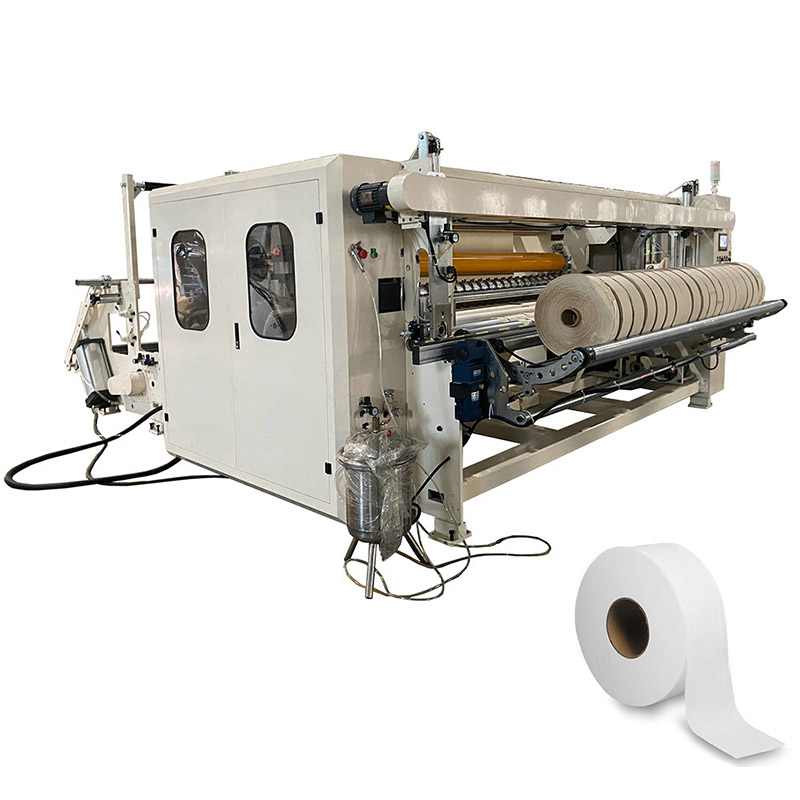
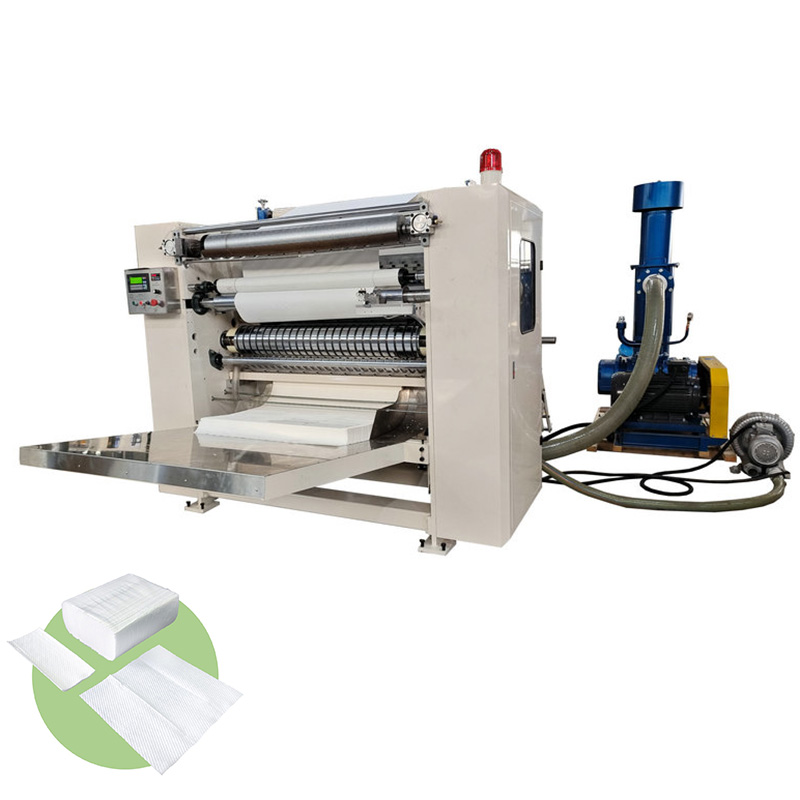
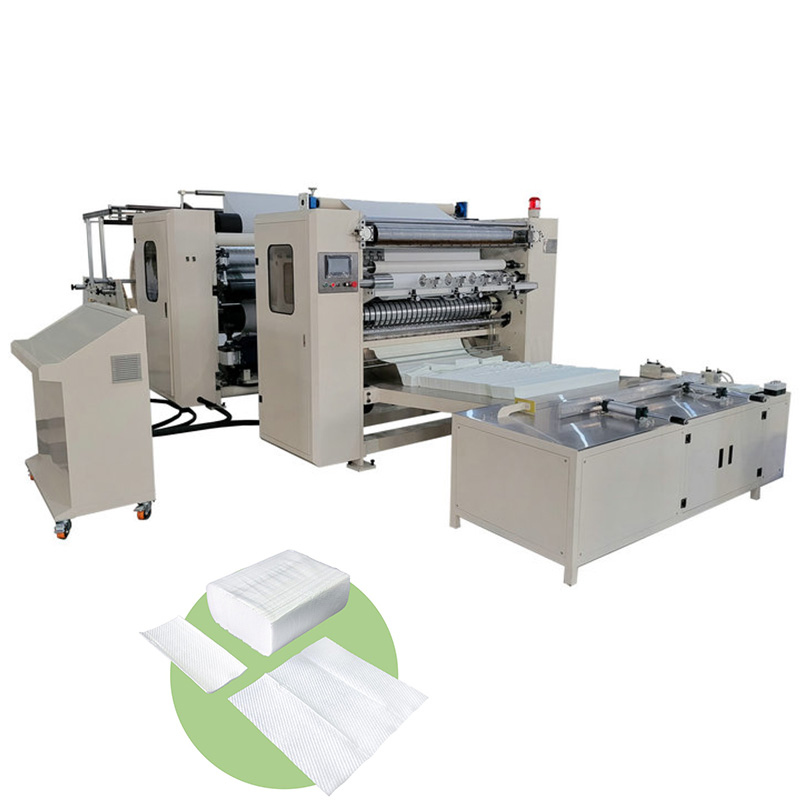
For global paper product manufacturers, stable output, lower material waste and reduced labor costs are the top three business goals. General‑purpose automatic paper processing machinery helps factories achieve all three — without complex customization or overinvestment.
This blog uses real B2B production cases to show how automated paper converting equipment improves business performance, with practical insights for your purchasing and production decisions.
Core Pain Points for Paper Product Manufacturers
Most small and medium‑sized factories face the same problems:
-
Low and unstable daily output
-
High material waste from manual or semi‑automatic lines
-
Too many operators needed, increasing labor cost
-
Inconsistent product quality affecting customer orders
Upgrading to automated paper processing machinery solves these issues at scale.
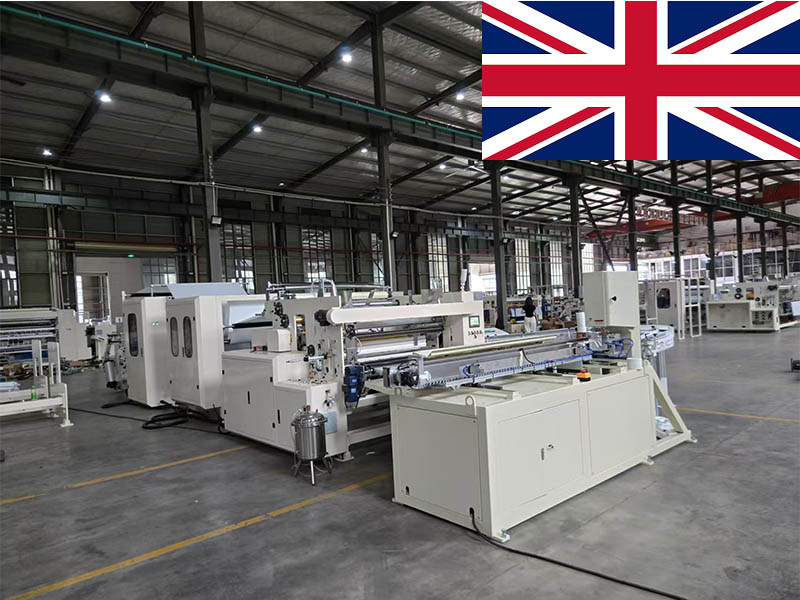
Real B2B Case 1: Small‑to‑Mid‑Size Paper Product Factory
Background
A mid‑sized factory producing tissue and folded paper products used semi‑automatic equipment. They struggled with low efficiency and frequent downtime.
Changes After Using Automatic Paper Processing Machinery
-
Production output increased by 35% within one month
-
Material waste reduced from 11% to 3.5%
-
Number of operators per line cut by 40%
-
Product consistency improved, winning 2 new long‑term clients
Key Improvements
Stable transmission, automatic counting, and tension control systems eliminated most daily breakdowns and quality defects.
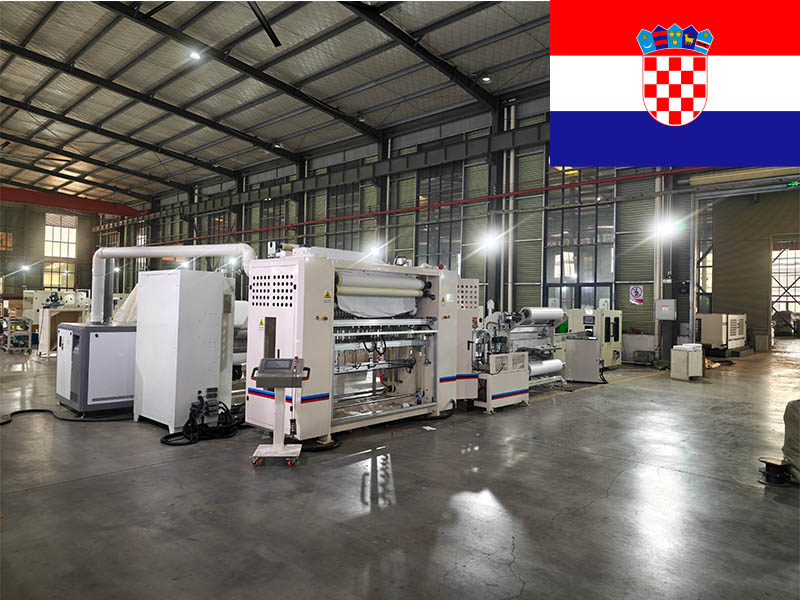
Real B2B Case 2: Commercial Hygiene Paper Manufacturer
Background
A factory focused on hotel and office hygiene paper needed higher speed and neater folding to meet large‑batch orders.
Changes After Using Automatic Paper Processing Machinery
-
Running stability maintained under long‑hour production
-
Finished product qualification rate reached 98.5%
-
Order delivery time shortened by 25%
-
Annual production cost reduced by thousands of dollars
Key Improvements
Automatic embossing, slitting and folding functions created uniform, market‑friendly products with less labor involvement.
3 Proven Benefits From Real Production Data
-
Higher & more stable output
Automated lines support continuous long‑hour operation. Output often rises by 30%–50% compared to semi‑automatic setups.
-
Lower material waste
Precise control systems reduce paper jams, misalignment and defective products. Waste rates usually drop to below 4%.
-
Less labor dependency
One operator can manage 1–2 full automatic lines. Labor costs decrease significantly while safety improves.
What B2B Buyers Should Prioritize When Choosing Equipment
Based on real factory feedback, focus on these practical features:
-
Strong material adaptability for different paper weights and widths
-
Stable running performance rather than overstated high speed
-
Easy operation and simple daily maintenance
-
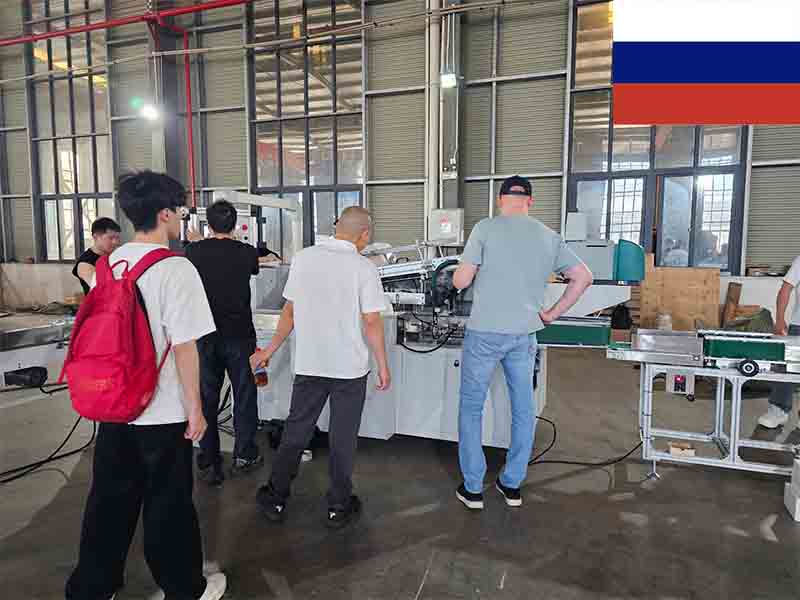
Reliable after‑sales support for global users
These factors directly affect your long‑term production efficiency and cost control.
Conclusion
Automatic paper processing machinery is not just equipment — it’s a cost‑saving, growth‑driving investment for paper product businesses.
Real B2B cases prove that factories of all sizes can achieve higher output, better quality and lower costs after upgrading to stable, general‑purpose automatic lines.
If you want to improve your production efficiency, reduce waste or plan a line upgrade, our team can provide customized solutions, production evaluations and official quotations for your business.

 Tel: +86-18650016302
 Email: sunny@xinyun-engine.com
 MP/WhatsApp: +86-18650016302
 Manufacturer Address:1610 Enterprise Building,Wanan,Luojiang,Quanzhou,Fujian,China