Author:XINYUN Tissue Paper MachineFROM:Tissue Machine Manufacturer TIME:2026-08-22
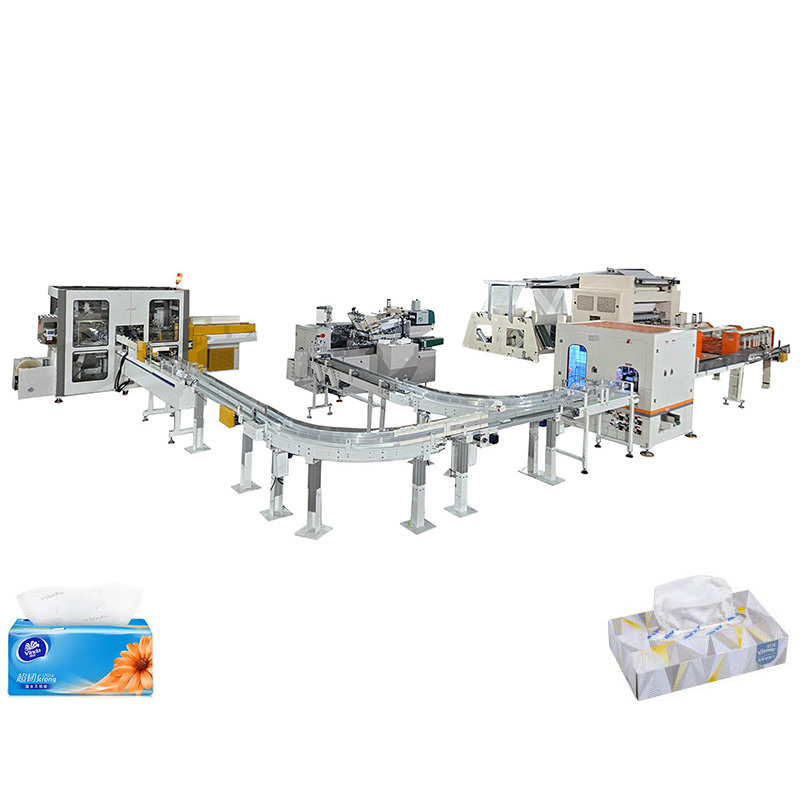
XY-TQ-A-E Small Business Toilet Paper Roll Manufacturing Machine Production Line
XINYUN is a professional paper processing machinery manufacturer with rich industry experience, specializing in the design and production of tissue converting and packaging lines. This guide explains what an industrial buyer should evaluate when selecting a partner for napkin, toilet paper, facial tissue, hand towel, or pocket tissue production—covering machine configuration, output, finished-tissue requirements, factory planning, and project preparation.
For B2B buyers, the core question is not just which machine is available, but whether the manufacturer can match the machine's configuration to your raw material, target finished size, packaging format, and plant utilities. This page outlines the key decision factors and the practical steps to prepare a clear inquiry.
In the tissue industry, a professional manufacturer is one that can integrate the converting process—from parent roll (jumbo roll) to finished folded or rolled product—into a reliable production line. This includes unwinding, embossing, folding or rewinding, cutting, counting, and packaging. The term "rich industry experience" should be verified through demonstrated process knowledge, not just years in business. You should expect a supplier to explain how each module affects your output rate, waste percentage, and finished product quality.
When evaluating a paper processing machinery manufacturer, structure your assessment around these five areas:
Define the exact finished size, ply count, embossing pattern, and packaging unit (e.g., napkin count per pack, roll diameter, facial tissue sheet count). Then confirm the parent roll width, diameter, and core size your machine must handle. A mismatch here is the most common source of project delay.
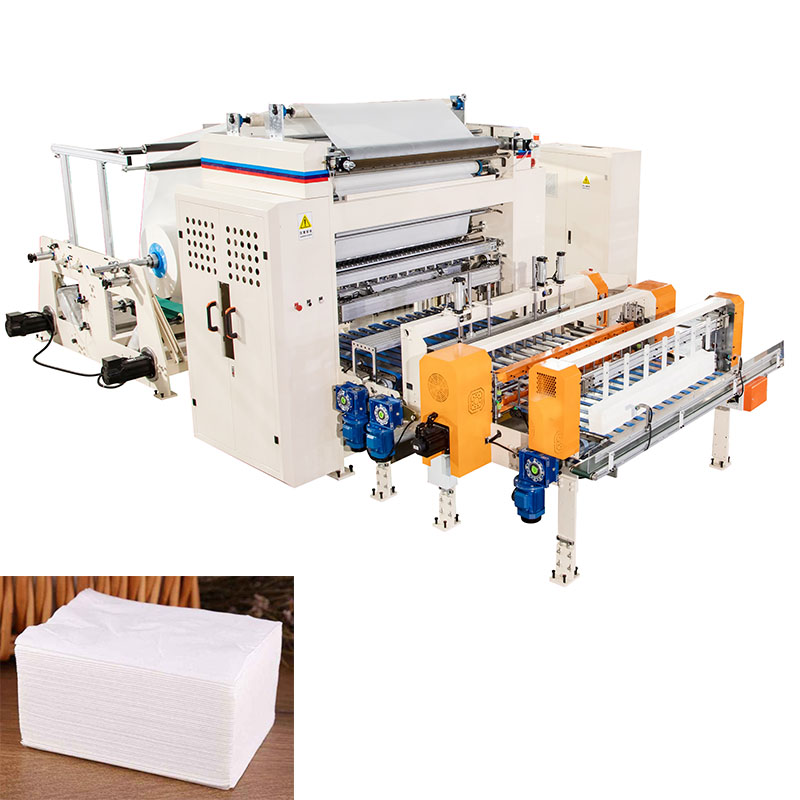
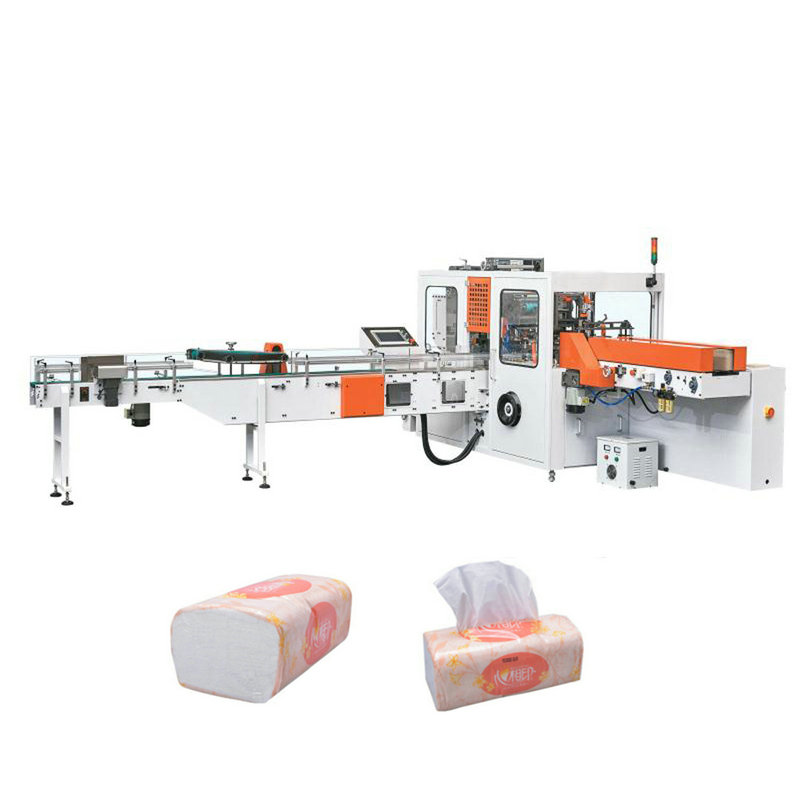
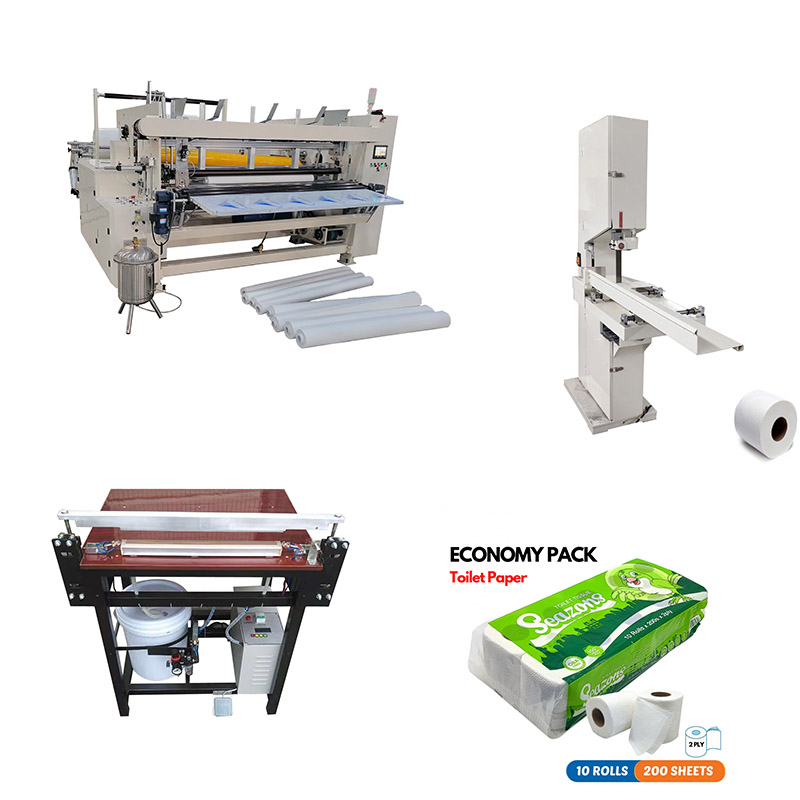
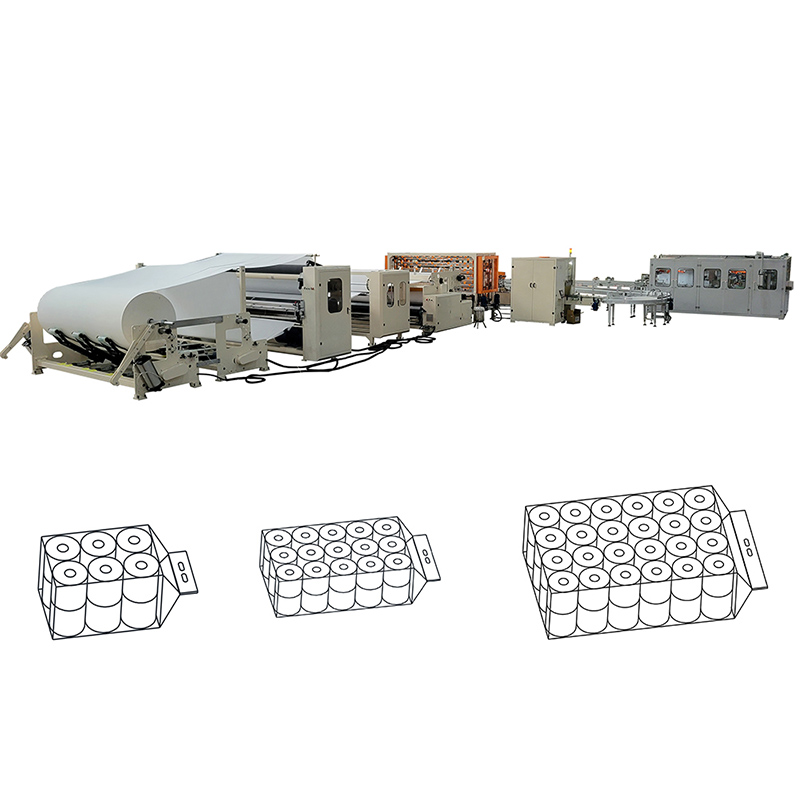
Clarify whether you need a single machine or a full line. For napkins, this includes folding, embossing, and counting. For toilet rolls, it includes rewinding, perforation, and lamination. For facial tissue, it includes folding, cutting, and either box or bag packaging. Each step affects the line's footprint and operator skill requirements.
State your target production capacity in pieces per minute or rolls per hour. The manufacturer should confirm whether the machine's rated speed is sustainable for your raw material quality and whether the packaging module can keep up with the converting module. Ask for a clear breakdown of setup time, waste rate, and changeover time.
Prepare your plant's available power supply, air pressure, and floor space. Confirm the machine's power consumption and whether it requires three-phase power. Also check the required ceiling height for parent roll loading and the space needed for finished product accumulation before packaging.
Ask about the installation process, the number of technicians sent, the duration of on-site commissioning, and the training provided for your operators. Clarify the spare parts policy and the response time for technical support. This is often more important than the initial machine price.
To communicate effectively with a manufacturer, you should understand the basic flow of a tissue converting line. The process typically starts with a parent roll being loaded onto an unwinder. The paper then passes through embossing rollers if a pattern is required. For folded products like napkins or facial tissues, the paper enters a folding unit. For rolled products, it goes to a rewinder that controls roll hardness and diameter. After cutting or perforation, the product moves to a counting and stacking station, then to a packaging machine that wraps it in paper, film, or places it in a box.
Each of these stages has its own adjustment parameters. A professional manufacturer will guide you on how to set these parameters based on your specific paper grade (e.g., 14-16 gsm for facial tissue, 16-18 gsm for napkins) and the desired softness or bulk.
A well-prepared inquiry saves weeks of back-and-forth communication. Use the following checklist to gather the information a manufacturer needs to provide an accurate quotation and layout drawing:
Industrial buyers often encounter the same issues when setting up a tissue converting line. Being aware of these can help you avoid costly delays:
Before accepting a machine, define clear acceptance criteria with the manufacturer. These should include the finished product's dimensional accuracy, embossing depth, fold alignment, and packaging seal quality. During the trial run, measure the actual output speed and the waste rate. A professional manufacturer will provide a detailed test report and a checklist for you to verify each item.
Once you have gathered the information above, you are ready to send a detailed inquiry. A professional manufacturer will respond with a machine configuration proposal, a layout drawing, and a list of required utilities. To get started, you can review the specific machine categories on this site, such as the Napkin Paper Machine or the soft and box packing facial tissue production line, to see which configuration matches your product plan.
To receive a tailored quotation and a factory layout proposal, prepare your product specifications and contact the XINYUN sales team. Providing the details listed in the inquiry checklist above will help us respond with an accurate and complete solution for your production line.

 Tel: +86-18650016302
 Email: sunny@xinyun-engine.com
 MP/WhatsApp: +86-18650016302
 Manufacturer Address:1610 Enterprise Building,Wanan,Luojiang,Quanzhou,Fujian,China