Author:XINYUN Tissue Paper MachineFROM:Tissue Machine Manufacturer TIME:2026-04-20
Toilet paper, an indispensable sanitary product in our daily lives, owes its production to the crucial equipment - the toilet paper machine. This machine features a complex and precise structure, with its various components working in synergy to efficiently transform raw materials into finished toilet paper products. Understanding the components of a toilet paper machine is of great significance for comprehending its working principle, ensuring production quality, and maintaining and optimizing the equipment. Next, we will delve into the main components of a toilet paper machine.
The pulper marks the starting point of pulp preparation. Its primary function is to break down raw materials such as waste paper and wood pulp into fine fibers and thoroughly mix them with water to form a uniform pulp suspension. Different types of pulpers are suitable for various raw materials and processing requirements. For instance, a hydrapulper utilizes hydraulic impact and agitation to rapidly disperse the raw materials into fibers. On the other hand, a high-frequency defibrator employs high-frequency vibrations to more effectively separate the fibers, enhancing the quality and uniformity of the pulp.
Pulp often contains various impurities, including sand grains, plastic fragments, and rope ends. Screening equipment is designed to separate these larger-sized impurities from the pulp through specific screens, ensuring the purity of the pulp. Common screening equipment includes pressure screens and vibrating screens. Pressure screens use a pressure differential to force the pulp through the screen, with impurities being retained. Vibrating screens, on the other hand, vibrate the screen to make the pulp flow over it, allowing impurities to be screened out. Depending on different process requirements, appropriate screening equipment can be selected and configured.
In addition to screening, further purification of the pulp is necessary to remove finer impurities. Purification equipment takes advantage of differences in density and shape between fibers and impurities, using principles such as centrifugal separation to separate the impurities from the pulp. The conical cleaner is a commonly used purification device. It creates a swirling flow of pulp within a conical body, causing light and heavy impurities to move towards the center and the wall of the device respectively, thus achieving separation and improving the quality of the pulp.
The wire section is a critical part where the paper sheet is formed during the papermaking process. The pulp suspension is evenly sprayed onto the forming wire through a headbox. Under the combined action of gravity and vacuum suction, water gradually drains through the wire mesh, while the fibers interweave and deposit on the wire to form a wet paper sheet. The quality and performance of the forming wire have a significant impact on the formation quality and uniformity of the wet paper sheet. A high-quality forming wire should possess good water permeability, fiber retention, and strength to ensure stable quality of the wet paper sheet.
After leaving the wire section, the wet paper sheet contains a large amount of water and usually has a relatively low dryness. The press section applies pressure to the wet paper sheet through one or more pairs of press rolls to further squeeze out the water, increasing the dryness and strength of the paper sheet. Simultaneously, pressing makes the paper sheet more compact and improves its physical properties, such as tensile strength and tear resistance. During the pressing process, parameters such as pressing pressure, pressing speed, and pressing time need to be properly controlled to ensure the quality of the paper sheet.
The paper sheet after pressing still contains a certain amount of water and requires drying treatment in the drying section to reach the specified dryness. The drying section typically consists of multiple dryer cylinders. Steam is introduced into the dryer cylinders, and heat is transferred to the paper sheet through heat conduction, causing the water to evaporate. During the drying process, parameters such as the temperature of the dryer cylinders, steam pressure, and the running speed of the paper sheet need to be well-controlled to prevent problems such as uneven drying and wrinkling of the paper sheet and ensure its quality.
The dried paper sheet is wound into paper rolls of a specific specification through the reeling section. The reeling machine uses a tension control device to precisely control the tension of the paper sheet during the reeling process, keeping the paper roll flat and tight and avoiding defects such as wrinkles and looseness. Moreover, the reeling section can adjust parameters such as the diameter and weight of the paper roll according to production requirements to meet the packaging and transportation needs of different customers.
The rewinder is used to rewind large rolls of toilet paper into smaller rolls to suit the usage needs of different consumers. During the rewinding process, parameters such as the diameter and tightness of the paper roll can be adjusted as required. Rewinders are usually equipped with functions such as automatic roll changing and paper break detection, which can improve production efficiency, reduce manual operations, and lower labor intensity.
The slitter is responsible for cutting the rewound toilet paper rolls into strips of the specified width according to the required dimensions. The slitter needs to ensure cutting accuracy and the quality of the cut edges, avoiding problems such as burrs and dimensional deviations. Advanced slitters adopt high-precision cutting tools and control systems to achieve high-speed and accurate cutting, improving product quality and production efficiency.
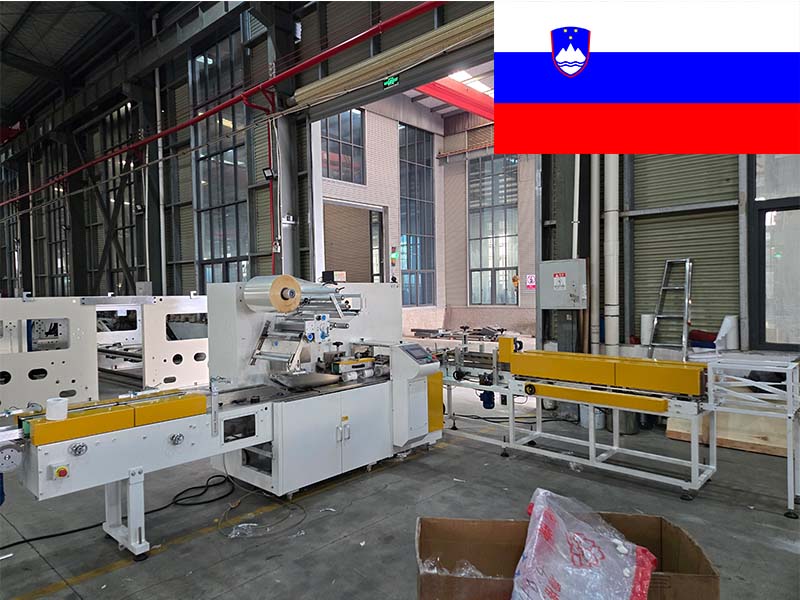
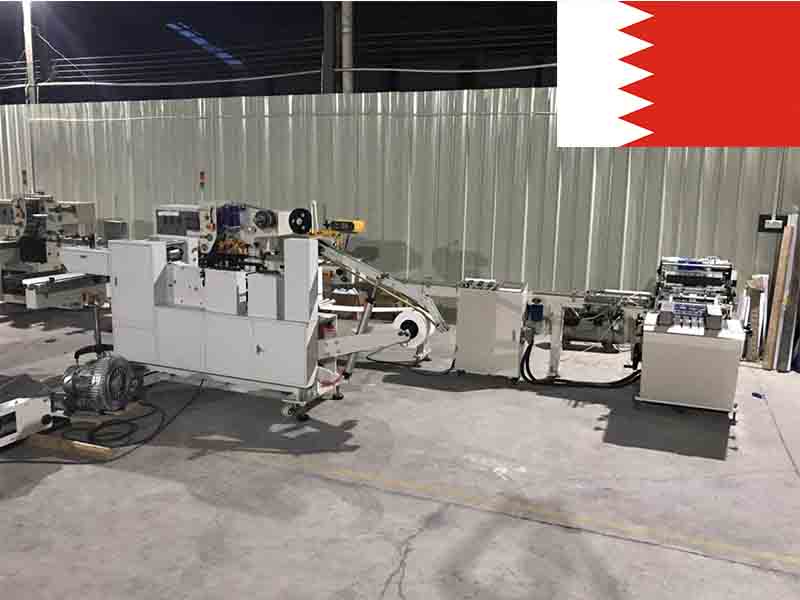
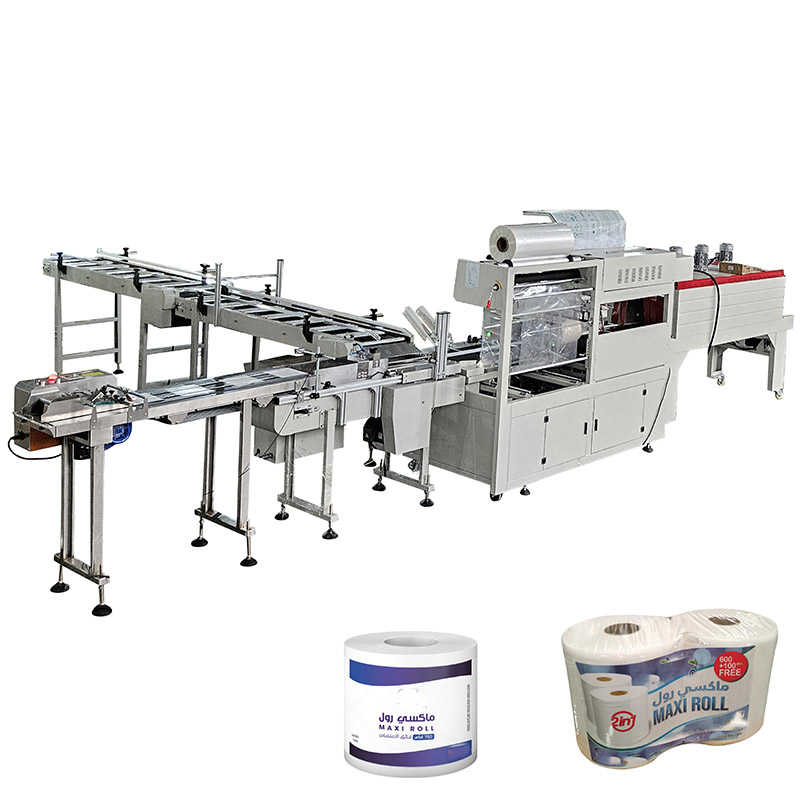
After slitting, the toilet paper strips need to be packaged for convenient transportation and sales. The packaging machine can automatically package the toilet paper strips into various specifications of packages, such as single packages and multi-pack packages. Packaging machines generally feature a high degree of automation, fast packaging speed, and good packaging effect. They can be flexibly adjusted according to different packaging requirements to meet the diverse demands of the market.
A toilet paper machine is a complex system composed of multiple components, with each component playing an indispensable role in the production process of toilet paper. From pulp preparation to paper sheet formation, drying, rewinding, slitting, and packaging, the various components work in close collaboration and harmony to complete the production task of toilet paper. Understanding the components of a toilet paper machine and their working principles helps us better operate and maintain the equipment, improve production efficiency and product quality, and drive the continuous development of the toilet paper industry.

 Tel: +86-18650016302
 Email: sunny@xinyun-engine.com
 MP/WhatsApp: +86-18650016302
 Manufacturer Address:1610 Enterprise Building,Wanan,Luojiang,Quanzhou,Fujian,China