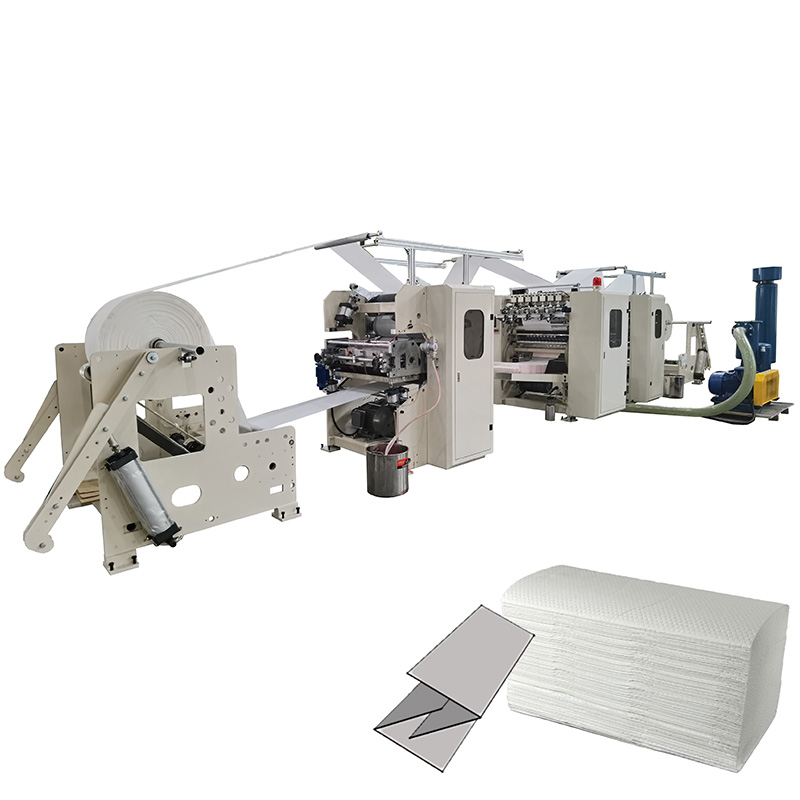
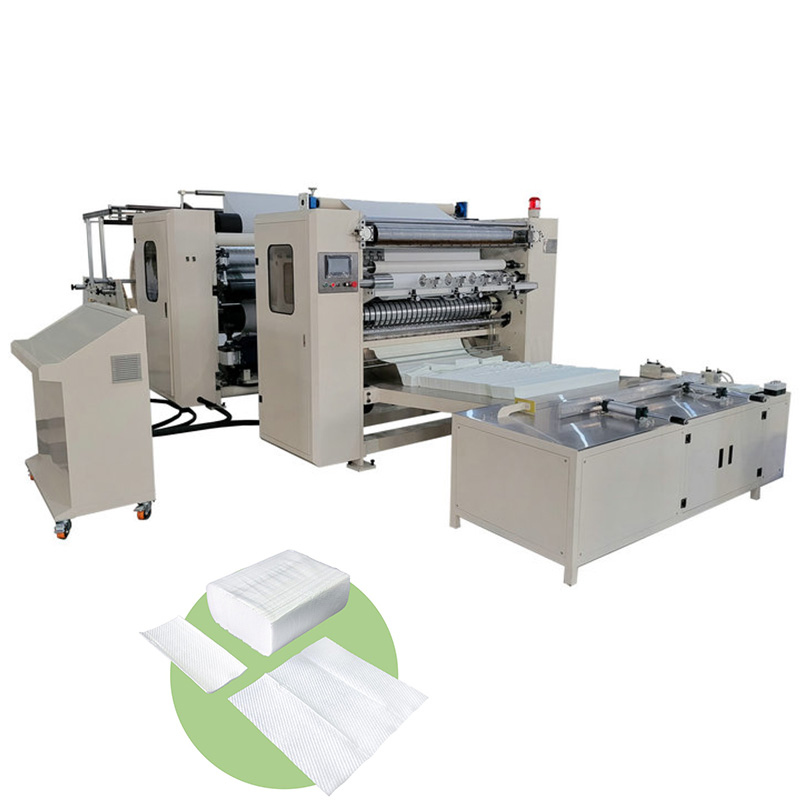
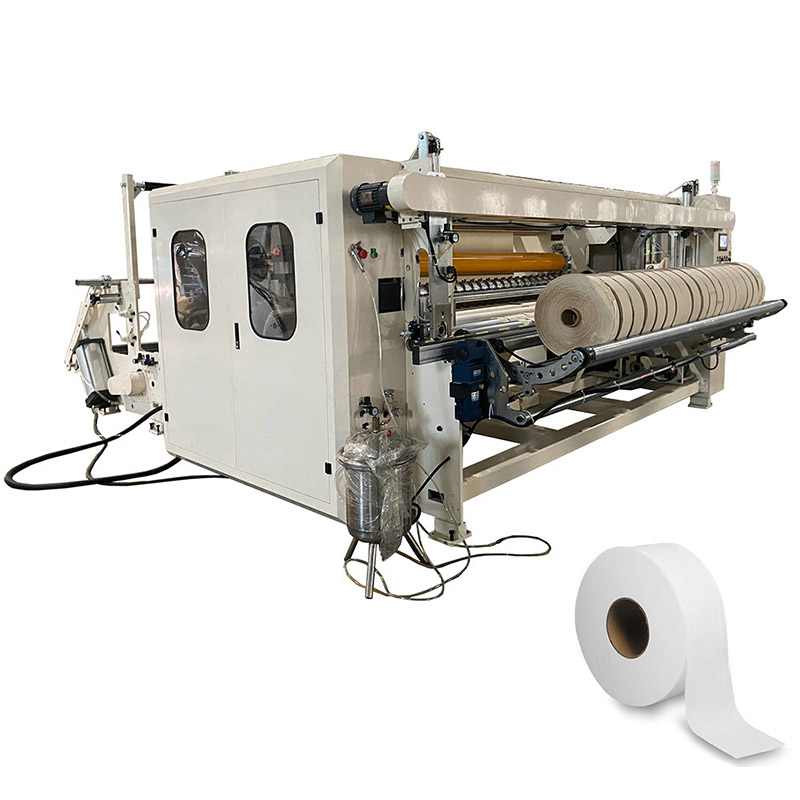
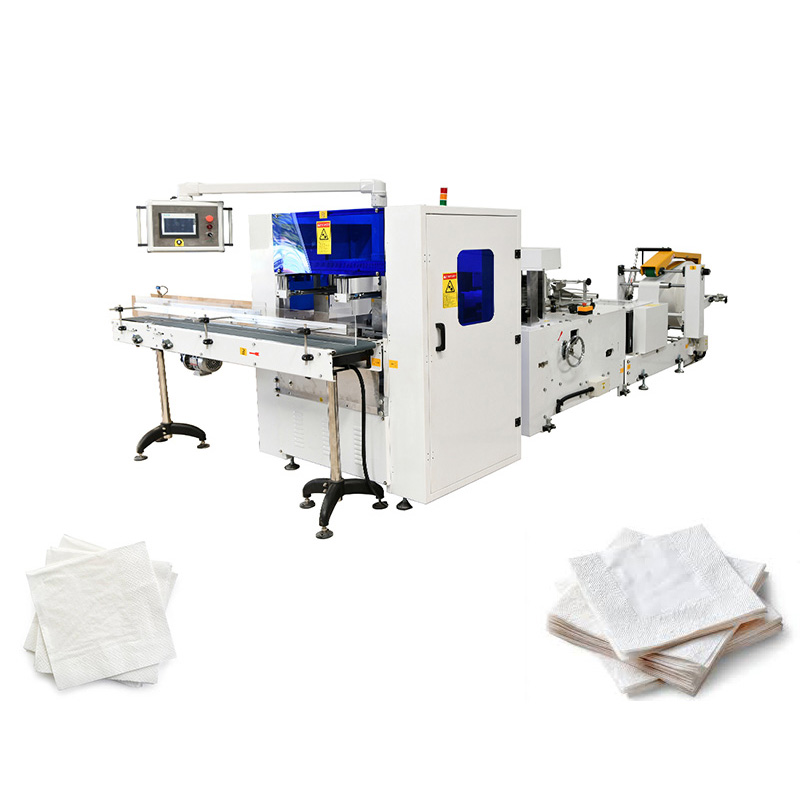
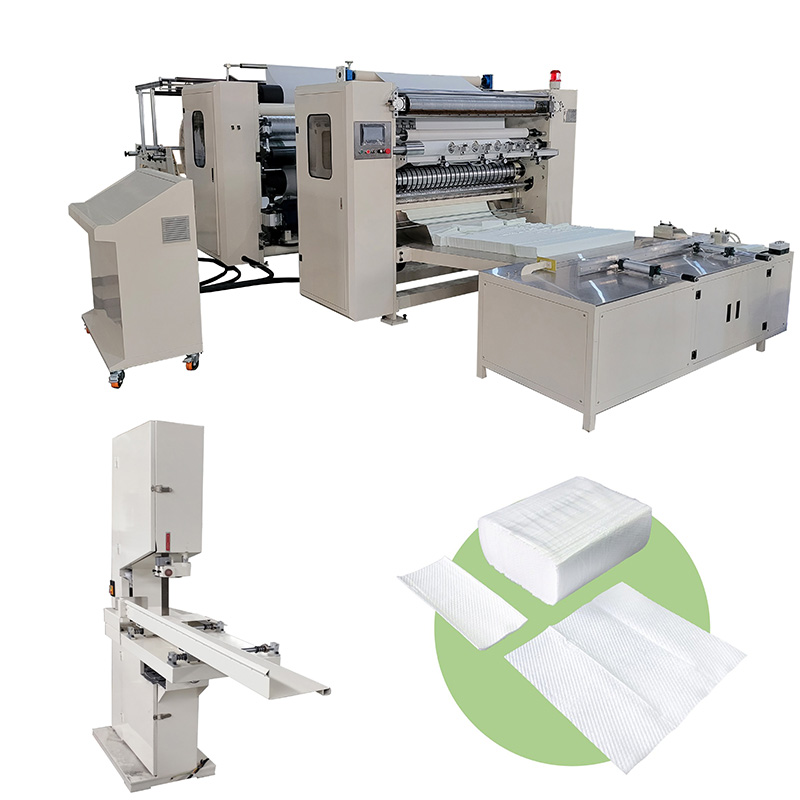
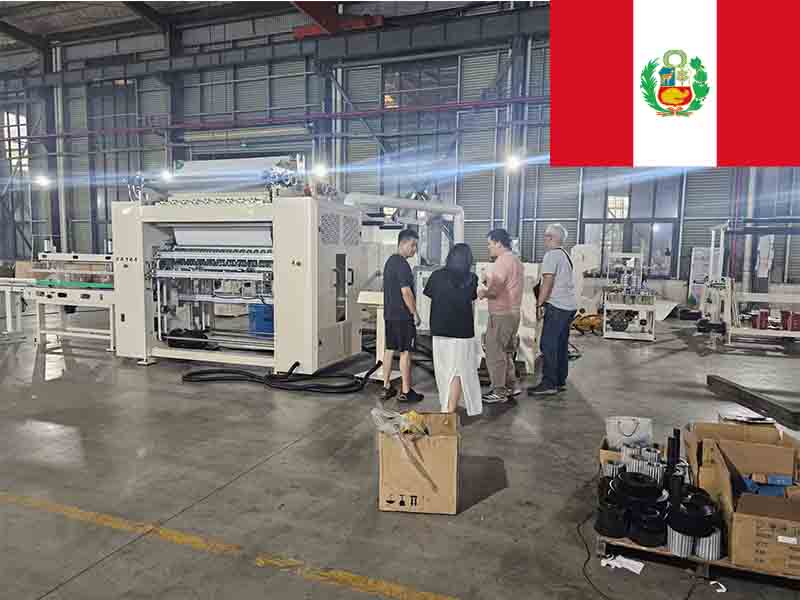
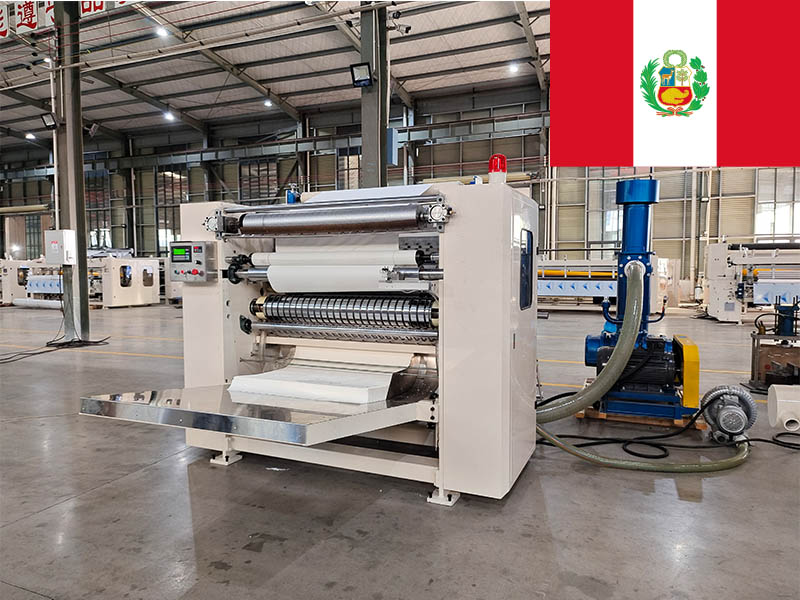
Choosing the right paper processing machinery is one of the most critical decisions for paper product manufacturers.
The right equipment boosts efficiency, cuts costs, and stabilizes production. The wrong choice leads to frequent downtime, high waste, and lost profits.
This B2B guide gives you clear, practical steps to select the best machinery for your factory — no technical jargon, no biased sales pitches.
1. Start with Your Exact Production Needs
Before comparing machines, define your core production goals.
-
What type of paper products will you make? (folded towels, toilet paper, paper containers, etc.)
-
What is your daily or monthly output target?
-
Will you run small-batch custom orders or large-scale mass production?
Your product type and output volume decide which machine category fits your factory.
2. Check Raw Material Adaptability
Material compatibility is the foundation of stable production.
Confirm these key specifications:
-
Paper weight range (g/m²)
-
Raw paper roll width
-
Paper core inner diameter
-
Single-ply or multi-ply production requirements
Machines that match your materials reduce jams, defects, and waste.
3. Choose the Right Automation Level
Automation directly affects labor cost and efficiency.
-
Fully automatic machines: Low labor, high stability, suitable for mass production.
-
Semi-automatic machines: Lower upfront cost, suitable for small-scale or trial production.
Select based on your order structure and labor expenses in your market.
4. Prioritize Stability Over Extreme Speed
Many buyers overvalue maximum speed.
In real factory conditions:
-
Stable continuous running matters more than short-term high speed.
-
Durable structure and reliable control systems reduce breakdowns.
-
Long-hour stable performance brings real long-term profit.
Avoid machines with overstated speed but poor stability.
5. Evaluate Operation and Maintenance Simplicity
Easy-to-use machinery lowers training time and downtime.
Look for these features:
-
User-friendly PLC control system
-
Simple troubleshooting design
-
Standardized wearing parts that are easy to replace
-
Low daily maintenance requirements
Simple operation means fewer mistakes and higher efficiency.
6. Confirm Global After-Sales Support
For international buyers, after-sales service is non-negotiable.
Reliable suppliers provide:
-
Remote debugging and technical guidance
-
Worldwide spare parts supply
-
Online operation training
-
Timestudy response for breakdown issues
Strong after-sales keeps your production running smoothly.
7. Consider Total Cost and ROI
Don’t make decisions based only on the upfront price.
Calculate the full cost:
-
Energy consumption
-
Maintenance cost
-
Material waste rate
-
Labor cost
A slightly higher-priced machine often delivers better ROI through lower operating costs.
Real Factory Case
A medium-sized paper product factory once chose low-cost machinery without checking material compatibility.
They faced high waste and frequent downtime.
After reselecting equipment based on production needs, material adaptability, and stability:
-
Production efficiency increased by 40%
-
Material waste dropped by 65%
-
Monthly profit improved significantly
Conclusion
The right paper processing machinery is not the most expensive or the fastest.
It is the one that perfectly matches your product, materials, output, and factory conditions.
By following these steps, you can make a confident investment that supports your business growth for years.
If you need professional support to select the best paper processing solution for your factory, feel free to contact our B2B team for customized advice.

 Tel: +86-18650016302
 Email: sunny@xinyun-engine.com
 MP/WhatsApp: +86-18650016302
 Manufacturer Address:1610 Enterprise Building,Wanan,Luojiang,Quanzhou,Fujian,China